Setting the right price for massage therapy services can make or break your business. Charge too much, and you risk losing clients; charge too little, and you undervalue your work and struggle to cover costs. To find the balance, you need to:
- Understand your market: Pricing varies by location, service type, and client expectations. For example, London therapists charge more than those in rural areas.
- Factor in expenses: Include costs like rent, insurance, training, and materials in your pricing.
- Research competitors: Use online directories, social media, and local visits to see what others charge.
- Choose a pricing model: Options include hourly, session-based, or value-based pricing.
- Use discounts wisely: Attract new clients or reward loyalty but avoid overusing promotions.
Regularly review your rates to ensure they reflect your skills, market trends, and rising costs. Tools like pricing calculators can help you determine fair rates while maintaining profitability. Communicate your prices clearly and consistently across all platforms to build trust and attract the right clients.
How to Price Your Massage Services
Researching Local Market Rates
When it comes to setting your pricing strategy, research is your best friend. To price your services effectively, you need a clear understanding of what other massage therapists in your area are charging and how your offerings stack up. This knowledge allows you to position yourself competitively while ensuring your rates reflect the value you bring to the table.
How to Research Local Pricing in the UK
Start by diving into online directories and platforms where massage therapists promote their services. For instance, Find a Massage Therapist lets you search by location and browse therapist profiles, including their pricing and service details. This can give you a snapshot of local trends.
A quick Google search can also uncover useful information. Try searching terms like "massage therapy [your town]" or "sports massage [your city]" to find practitioner websites with clearly displayed pricing.
Social media is another goldmine. Platforms like Facebook and Instagram are often used by therapists to advertise their services, share special offers, or promote package deals - giving you a sense of what others in your area are charging.
Don’t overlook traditional methods. Visit local spas, wellness centres, or physiotherapy clinics to gather insight. Many display their treatment menus or will provide pricing details if you ask.
Networking can also be incredibly valuable. Attending workshops, training sessions, or professional meet-ups not only enhances your skills but also provides an opportunity to discuss pricing trends with fellow therapists. These conversations can reveal a lot about what clients in your area are willing to pay.
By collecting this information, you'll have a solid foundation to guide the pricing strategies discussed in the following sections.
UK Pricing Standards for Massage Services
Massage therapy rates in the UK can vary widely, influenced by regional factors and the type of service provided. For example, mobile massage services often include an additional fee to cover travel and equipment costs. Similarly, treatments that require advanced training or expertise typically come with a higher price tag.
These variations create a general framework for regional pricing, which can then be adjusted based on your unique circumstances.
Understanding Price Differences
There are several reasons why prices differ between therapists. Location is a major factor - those operating in busy urban areas with higher overhead costs tend to charge more than therapists in quieter, less expensive regions. Qualifications also play a big role; therapists with advanced training or specialised certifications often set higher rates to reflect their expertise.
The setting where treatments are offered matters too. A session in a luxury spa or high-end wellness centre will likely cost more than one in a modest home studio. Treatment length and optional add-ons - like advanced therapeutic techniques or complementary therapies - can also impact pricing. Offering a range of session durations gives clients the flexibility to choose what suits their needs.
Key Factors When Setting Your Rates
Once you've explored local market rates, the next step is to position your services effectively within that framework. Several factors play a role in shaping your pricing decisions. By understanding how these elements influence your offerings, you can set rates that reflect your skills while staying competitive.
Location and Venue Type
Where you work and the type of venue you use have a significant impact on your pricing. Therapists based in major cities or high-cost areas often charge higher fees to account for the local cost of living and client expectations. On the other hand, practitioners in smaller towns may opt for lower rates due to reduced overheads. The venue itself also plays a role: treatments provided in a luxury spa can command premium prices, while those offered in a home studio might be more budget-friendly. For mobile services, it's common to include a travel fee in your rates. Similarly, working in clinical or therapeutic settings may allow for higher pricing, as clients often seek specialised care in these environments.
These factors form the foundation for evaluating how your qualifications and expertise can further influence your pricing.
Qualifications, Experience, and Specialisations
Your credentials and experience are key drivers of your pricing structure. Newly qualified therapists often begin at the lower end of the market range as they build their portfolio and gain client trust. In contrast, those with advanced qualifications or specific areas of expertise - like sports massage or other tailored techniques - can justify charging higher fees. Specialised training not only adds value to your services but also sets you apart in a competitive market. Additionally, as your experience grows and your reputation strengthens, you’ll likely have the opportunity to increase your rates. Regular professional development further supports higher pricing, as it demonstrates your commitment to offering quality care.
Now, let’s look at how session length and extra services can enhance the value you provide.
Session Length and Add-on Services
The length of your sessions is a fundamental part of your pricing strategy. Offering a variety of session durations allows clients to choose options that suit their needs, with longer sessions often providing better value per minute. You can also encourage loyalty by creating package deals or offering add-ons like hot stone treatments or aromatherapy. These extras not only enhance the client experience but also allow you to differentiate your services. Loyalty programmes and combination treatments that blend different techniques can further strengthen client relationships, ensuring they return time and again.
sbb-itb-abe02fa
Pricing Models and Strategies
When crafting your pricing approach, it's essential to align it with your market research, business goals, and client expectations. Below are several pricing frameworks to consider, each offering flexibility to suit different needs.
Hourly, Session-Based, and Value-Based Pricing
Hourly pricing charges clients based on the time spent, regardless of slight variations in session lengths. It's simple to explain and implement, though rates can vary depending on your experience and location.
Session-based pricing assigns a fixed cost to specific treatments rather than billing by time. This allows you to emphasise the quality of your services and makes it easier to promote specialised offerings.
Value-based pricing focuses on the benefits and outcomes clients receive, rather than the time or effort involved. This model is often adopted by experienced therapists who can justify higher rates due to their expertise and proven results.
| Pricing Model | Best For | Advantages | Considerations |
|---|---|---|---|
| Hourly | Newer therapists; general treatments | Easy to understand and scale | May lead to rushed or extended sessions |
| Session-based | Specialised treatments | Highlights treatment quality | Requires well-defined treatment parameters |
| Value-based | Established specialists | Higher earning potential | Depends on reputation and demonstrable results |
Combining these pricing models with well-thought-out discounts can make your services even more appealing.
Using Discounts and Packages
In addition to selecting a pricing model, you can enhance your offerings with discounts and packages:
- Strategic discounts: These are great for attracting new clients or encouraging loyalty. For instance, offering a discounted rate for first-time clients lowers the barrier to trying your services, giving you a chance to demonstrate your expertise.
- Package deals: Bundling sessions at a reduced rate encourages clients to commit to a series of treatments. This approach not only ensures regular bookings but also helps with cash flow.
- Loyalty programmes: Reward repeat clients with perks like a complimentary session after a set number of bookings or incremental discounts for frequent visits.
- Corporate packages: Offering on-site services to local businesses can provide a steady income stream while helping you expand your professional network.
However, it’s important to use discounts wisely. Overusing promotions can create an expectation of lower rates, which may undervalue your services. Instead, apply discounts strategically - for instance, to attract new clients, fill slower periods, or reward long-term loyalty.
When to Adjust Your Rates
Regularly reviewing your pricing ensures it stays relevant and profitable. An annual assessment can help you account for factors like market trends, your performance, and rising costs.
If you’re consistently fully booked, it might be a sign that your rates are too low. On the other hand, a drop in bookings could indicate the need to re-evaluate your pricing or improve your service offerings.
Investing in further training or acquiring specialised skills can also justify rate increases. If you decide to raise your prices, communicate the added value to your clients - whether it’s new techniques or enhanced expertise - and introduce changes gradually to ease the transition.
Rising operational costs, such as rent or insurance, may also necessitate adjustments. In such cases, provide clients with plenty of notice to prepare for the change. Some therapists choose to "grandfather" existing clients, keeping their rates the same temporarily while applying new pricing to future bookings.
Finally, consider seasonal pricing adjustments to reflect demand fluctuations. For example, higher rates during peak seasons or discounts during slower periods can help you maintain a balanced schedule and income.
Tools and Resources for Setting Rates
Setting fair and competitive rates takes more than just intuition - it requires the right tools and clear communication to ensure your pricing aligns with both your value and market expectations. With the right resources, you can calculate accurate rates and effectively present your services.
Using Pricing Calculators and Analysis Tools
In the UK, several tools can help you determine rates that cover your costs while ensuring profitability. For example, The Beauty Accountant's Pricing Calculator is tailored for beauty and wellness services, allowing you to calculate rates based on time, expenses, profit goals, and tax requirements. This tool is particularly useful as it considers UK-specific factors like VAT and typical business costs.
For a broader approach, Jobber's Free Service Price Calculator is another valuable resource. While not massage-specific, it provides a detailed framework that can be adapted for massage therapy. It helps you factor in labour costs (including wages, taxes, and insurance), material costs (like oils and towels), overheads (such as rent and marketing software), and your desired profit margin.
When calculating your rates, don’t forget to include indirect costs like fuel, insurance, training, and marketing. Experts generally recommend aiming for a profit margin of 10-20% of your total costs, but this can vary depending on your market and competition. Using these tools, you can avoid the common pitfall of underpricing, which can jeopardise your business’s long-term sustainability.
Once you’ve calculated your rates, compare them to the UK average of £40 per hour for massage therapy services. This ensures your pricing remains competitive while reflecting your professional value.
Listing on Find a Massage Therapist
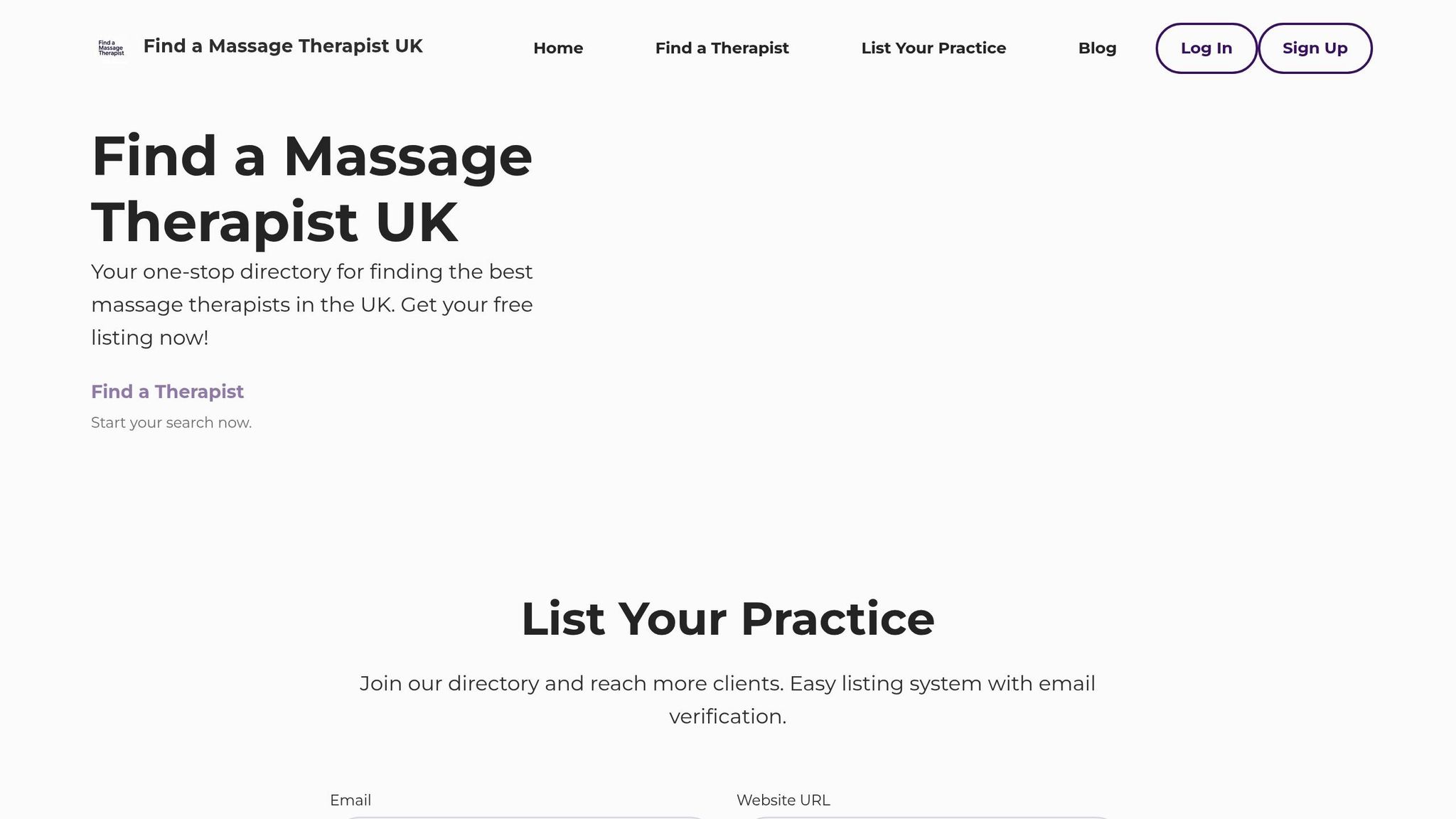
Building a professional online presence is a key step in attracting clients and justifying your rates. Platforms like Find a Massage Therapist offer free listings, giving you the chance to showcase your services without any upfront costs. The platform provides branded templates, making it simple to present your services in a polished and professional way.
Highlighting your qualifications and services on such platforms helps build trust and supports higher pricing. When clients can clearly see your expertise, it reinforces the value of your services. Additionally, the platform offers email updates and promotional opportunities, making it easier to stay connected with your audience.
Free listing options like this are especially helpful when launching your practice or testing new pricing strategies. You can update your rates and service descriptions as your business grows, without worrying about extra costs. Once your profile is optimised, presenting clear and professional pricing further enhances your credibility.
How to Communicate Your Rates
Communicating your rates clearly and professionally is essential for attracting the right clients and avoiding misunderstandings. Always display prices in the UK format, using the £ symbol before the amount (e.g., £45, £65, £80). Avoid decimal points for whole numbers, as this is standard practice and appears more polished.
Be transparent about what each price includes. For instance, specify: "£50 for a 60-minute Swedish massage, including consultation." This level of detail helps clients understand the value they’re getting and reduces questions about pricing.
You might also consider a tiered pricing structure to make your offerings easy to navigate. For example:
- Essential treatments (£40–50)
- Specialist therapies (£55–70)
- Premium packages (£75–90)
This approach allows clients to find options that suit their budget while encouraging them to explore higher-value services.
On your website and marketing materials, list your rates alongside your qualifications and experience. This context helps justify your pricing by showing the professional expertise behind your services. Include details about your training, years of experience, and any special techniques you offer.
If you provide mobile services, make sure to clearly outline any additional travel fees. For example: "Standard rates apply within 5 miles of [location]. £10 travel supplement for distances 5–15 miles." Transparent pricing ensures clients know exactly what to expect, avoiding surprises later.
Lastly, keep your pricing consistent across all platforms. Whenever you update your rates, ensure your website, directory listings, and promotional materials reflect the changes. This consistency not only prevents confusion but also reinforces your professionalism. By combining these tools and strategies, you can set competitive rates that reflect the quality of your services and build lasting client trust.
Conclusion
Setting the right rates for your massage therapy practice involves juggling several factors while ensuring your business remains both profitable and sustainable. Across the UK, pricing can differ greatly depending on location, target clientele, and the specific services you offer.
Thorough market research plays a key role in determining effective pricing. At the same time, your expertise and professional qualifications should inform how you value your services. Selecting a pricing model that aligns with your business goals and fosters lasting client relationships is just as important.
Key Takeaways
- Leverage modern tools like pricing calculators to simplify rate-setting.
- Build a strong online presence using platforms like Find a Massage Therapist.
- Clearly communicate your rates, ensuring they follow consistent UK formatting to earn client trust.
Regularly reviewing your rates helps you remain competitive and ensures your business stays sustainable. By combining in-depth market research, the right tools, and a polished professional image, you’ll create a pricing strategy that not only reflects your services' true worth but also supports long-term growth and success.
FAQs
How can I set competitive and sustainable prices for my massage therapy services?
To determine fair and effective pricing for your massage therapy services, start by figuring out your break-even point. This means accounting for all your expenses, including rent, supplies, and any professional fees. Once you have a clear understanding of your costs, take some time to research the going rates in your local area. This will give you a sense of what clients are willing to pay and help you position your services competitively. Factors like your location, the type of clients you want to attract, and the specific benefits your services offer should all play a role in shaping your pricing strategy.
You’ll also want to set clear income goals that reflect your financial needs and ambitions. Your pricing should support these goals while remaining reasonable for your market. Make it a habit to review your rates regularly, adjusting them as needed to account for shifts in costs, changes in demand, or growth in your expertise. Striking the right balance between profitability and affordability can help you establish a successful and lasting business.
What should I consider when adjusting my massage therapy rates to remain competitive?
To determine fair and competitive rates for your massage therapy services, it's essential to weigh several important factors. Begin by looking into local market rates to get a sense of what others in your area charge for similar services. Remember, your location plays a big role - prices in bustling city centres often differ from those in quieter, rural settings.
Next, consider your target clientele. Are you aiming for a high-end audience seeking luxury treatments, or are you focusing on providing budget-friendly options? Assess your service offerings as well. Do you include any specialised treatments or unique perks that add extra value? Lastly, make sure your pricing not only covers your expenses but also allows for a reasonable profit. Striking the right balance between market trends and your business needs is key to long-term success.
What’s the best way to inform clients about price changes while maintaining their trust?
When informing clients about price changes, being upfront and professional makes all the difference. Start by giving them adequate notice - a few weeks is ideal - so they have enough time to prepare. Use the communication method you normally rely on, whether that’s email, text, or an in-person chat.
Make sure to clearly explain the reasons behind the adjustment. This could include factors like rising operating expenses, improvements to your services, or new qualifications you've achieved. Emphasise the continued value they’ll receive and reassure them that your pricing remains fair within the market.
Finally, take a moment to thank them for their loyalty and ongoing support. A heartfelt message of appreciation can strengthen trust and show how much you value their business.