Massage therapy in the UK is competitive, but the right marketing can help you stand out. Here's a quick rundown of strategies to attract and retain clients:
- Social Media: Use platforms like Instagram, Facebook, and TikTok to showcase your practice, engage with clients, and run targeted ads.
- Loyalty Programmes: Reward repeat clients with discounts or free sessions to boost retention and referrals.
- Local SEO: Optimise your Google Business Profile and website to attract local clients searching for massage services.
- Partnerships: Collaborate with wellness businesses like gyms or yoga studios for cross-promotions.
- Online Directories: List your practice on platforms like Google and Find a Massage Therapist for better visibility.
- Email Marketing: Send newsletters and offers to keep clients engaged and encourage bookings.
- Referral Rewards: Incentivise existing clients to refer friends with discounts or perks.
These strategies combine online tools and personal connections to grow your practice effectively. Tailor your approach to your audience, whether they're busy professionals, athletes, or expectant mothers, and focus on building trust within your community.
How To Promote Your Massage Business | Marketing Strategies | 2022 (Day 2)
1. Use Social Media Platforms
Social media has become a central hub for promoting UK massage practices. With 93% of consumers relying on online searches to find local businesses, your social media profiles often serve as the first impression for potential clients.
Platforms like Instagram, Facebook, and TikTok are particularly well-suited for massage therapists due to their visual and interactive nature. By sharing images of your serene treatment rooms or posting videos that showcase your massage techniques, you create an immediate connection with your audience.
"Your social media presence is key, as many users do research before visiting a business. Platforms like Instagram, Facebook, and TikTok serve as a perfect showcase for attracting potential customers." – Gift Campaign
Instagram is ideal for storytelling. Use it to highlight the atmosphere of your practice, share client testimonials, and post short videos demonstrating techniques. Features like Stories and Reels are perfect for behind-the-scenes content. For example, a London-based wellness centre saw a 40% rise in bookings over three months after launching an Instagram campaign that combined client testimonials and educational posts about the benefits of massage.
Facebook, on the other hand, is great for building community engagement. Use the platform to promote workshops, special offers, or events, and take advantage of its detailed targeting options to reach local audiences. Regularly interacting with your audience by responding to comments and messages builds trust and encourages bookings.
TikTok offers a unique way to connect with younger audiences through creative, short-form content. Videos featuring technique demonstrations, wellness tips, or even a day-in-the-life perspective can go viral, significantly boosting your visibility.
Creating "Instagrammable" spaces within your practice is another effective strategy. When clients share their experiences online, it generates authentic user-generated content. For instance, a Manchester wellness centre reported a 50% increase in social media engagement after introducing a referral programme on Instagram, offering discounts to clients who referred friends.
To create content that drives results, focus on:
- High-quality photos of your treatment rooms
- Educational posts about the benefits of massage
- Client testimonials
- Short videos demonstrating techniques
Statistics back up the power of social media: 54% of consumers use it to research products and services, and 71% are more likely to make a purchase based on social media referrals.
For advertising, both Facebook and Instagram offer budget-friendly pay-per-click campaigns. A London-based massage therapy practice used Facebook ads targeting users within a 10-mile radius, promoting a special introductory offer for first-time clients. The result? A 40% increase in bookings over two months.
Consistency is key. Regular posting, engaging authentically with followers, and using local hashtags can position your practice as a trusted wellness destination. Next, we’ll explore how a client loyalty programme can further enhance your reputation.
2. Create a Client Loyalty Programme
Building client loyalty is a smart way to ensure consistent income for your massage practice. Did you know that increasing client retention by just 5% can boost profits by anywhere from 25% to 95%? Even more compelling, loyalty programme members tend to spend 34% more per visit compared to other clients. With numbers like these, creating a loyalty programme isn’t just a nice-to-have - it’s a must.
The key to a successful loyalty programme lies in how well it rewards your clients for sticking with you. While old-school punch cards were once the go-to method, many businesses now prefer digital solutions. These modern tools not only simplify tracking but also make it easier to engage with clients.
"A well-designed loyalty programme drives predictable revenue, higher retention, and upselling." – Jordon Comstock, Founder & CEO of BoomCloud™
When designing your programme, think about what will genuinely motivate your clients. For example, a London-based clinic introduced a 'buy 10, get 1 free' model. Within six months, they saw a 30% increase in repeat bookings and a 15% rise in referrals.
You might also consider a tiered points system where clients earn rewards with every visit. This approach keeps them engaged as they work towards their next benefit. Alternatively, offering package deals - such as discounted rates for pre-purchasing multiple sessions - encourages commitment while boosting your cash flow upfront.
The right technology can make or break your programme. For instance, Stamp Me, with a 4.9-star app store rating, offers a free setup and allows clients to track their rewards on their smartphones. BoomCloud™ goes a step further by automating membership management and providing analytics, which can significantly increase your monthly recurring revenue. Another option is Loyalzoo, used by thousands of small businesses in over 50 countries. It integrates seamlessly with ePOS systems and operates on a subscription basis without setup fees.
To maximise participation, you’ll need to promote your programme effectively. Sending thank-you emails after appointments and updating clients on their loyalty status is a great start. Automated reminders, especially when clients are close to earning a reward, can also drive rebookings.
"Implementing a loyalty programme not only rewards clients for their continued patronage but also fosters a deeper connection between the therapist and the client." – Martha Anderson, Expert in Massage Therapy
Here’s another benefit: 70% of consumers are more likely to recommend a business with a strong loyalty programme. This kind of word-of-mouth marketing can be a game-changer for growing your practice. Plus, the costs are manageable - many loyalty programme software options range from £20 to £50 per month, making them a cost-effective alternative to constantly chasing new clients.
To keep your programme effective, regularly review its performance. Look at redemption rates, client feedback, and booking patterns to refine your rewards. And once your loyalty programme is running smoothly, consider using local SEO strategies to further boost your practice’s visibility.
3. Improve Local SEO for UK Searches
Want your practice to show up when people search for "massage therapy near me" or "sports massage in Manchester"? That’s where local SEO comes in - it connects you with nearby clients who are already looking for the services you offer. With 46% of all Google searches being local, optimising for these searches isn’t just helpful; it’s a must if you want your practice to thrive.
A strong local SEO strategy starts with your Google Business Profile (GBP). This free tool is a game-changer: businesses with complete profiles are 70% more likely to attract visits from potential clients. Plus, a well-optimised profile makes your practice 2.7 times more likely to be seen as trustworthy.
"Optimising your Google Business Profile is crucial for local SEO, as it significantly impacts your visibility in local searches."
- Laura Stephens, Author at DevsMint
To set up your GBP effectively, consistency is key. Make sure your business name, address, and phone number match across all platforms. Add high-quality photos of your treatment rooms, equipment, and team to make your profile more appealing. Regularly post updates about your services, special offers, or even wellness tips to keep your profile active. These small steps lay the groundwork for your local SEO success.
Real-world examples show how impactful this can be. In late 2025, a massage therapy practice boosted its GBP by adding professional photos and posting updates regularly. The result? A 30% increase in appointment bookings within three months. Similarly, a London-based therapist created separate landing pages for each service area, leading to a 50% rise in local search traffic in just two months.
Your website content also plays a huge role in local SEO. Use phrases that your clients are likely to search for, like "deep tissue massage Camden" or "prenatal massage Birmingham." Dedicated service pages can help target multiple local keywords. For instance, a page for "sports massage in London" should include details about the service, your qualifications, and even local references that resonate with clients in that area. This approach worked wonders for a London practice, which saw a 40% jump in local search traffic after implementing this strategy.
Since 78% of mobile local searches lead to an offline purchase, your website needs to be mobile-friendly. Ensure it loads quickly and looks great on smartphones, as many clients will find your practice while on the go.
Online reviews are another powerful tool for local SEO. 84% of people trust online reviews as much as personal recommendations. Encourage happy clients to leave reviews on your GBP - perhaps by sending a follow-up text or email after their appointment. Always respond to reviews, whether they’re glowing or critical. This shows you value feedback and builds trust with future clients.
Beyond reviews, strengthening your online presence through local citations and backlinks is crucial. Partner with reputable UK directories or local wellness businesses, such as gyms or health food shops, that can link to your site. These partnerships not only improve your search rankings but can also bring in direct referrals.
"A well-optimised Google Business Profile can significantly enhance your visibility and attract more local clients."
- Marketing Expert, Bookeo
Lastly, technical tweaks like adding local schema markup can help search engines better understand your business. This might sound technical, but many website builders include these features, or you can enlist a web developer to implement them. These efforts can even earn you rich snippets, making your practice stand out in search results.
4. Partner with Wellness Businesses
Teaming up with wellness businesses is a smart way to grow your client base and boost referrals. Just like social media and loyalty programmes, partnerships can expand your reach while maintaining that personal touch your clients value.
The global wellness market is booming, creating plenty of opportunities for collaboration. Think yoga studios, gyms, physiotherapy clinics, chiropractors, and wellness cafés - these businesses attract people already invested in their health and wellbeing. Naturally, these individuals are more likely to see the benefits of massage therapy and become loyal clients.
"Creating a partnership with other businesses in your area is one of the most underrated ways to market your services." - BuyerGain
Take Physio LDN in London as an example. In 2023, founder Rebecca Bossick joined forces with local gyms and wellness businesses. Within just six months, this strategy led to a 30% increase in client referrals. By understanding their audience and building strong local connections, they managed to fill their appointment slots with clients coming directly from their partner businesses.
Corporate partnerships can be particularly rewarding. Companies that invest £1 in employee wellness programmes often see £3 in returns. For instance, WellCorp, a corporate wellness provider, introduced on-site massage services and saw a 35% reduction in employee stress levels alongside a 15% boost in productivity. These results not only highlight the benefits of massage therapy but also create steady business opportunities.
Cross-referrals with complementary health services are another effective strategy. In March 2023, the Harmony Health Alliance in Oregon incorporated massage therapy into its treatment plans, leading to a 20% rise in patient retention. Similarly, partnerships between massage practices and yoga studios have shown a 35% increase in cross-referrals.
"Building connections in the wellness space helps you grow your business, but it also helps your patients get the help they need before they even know they need it." - Margaret Wallis-Duffy, Wellness Entrepreneur
When approaching potential partners, come prepared with a clear proposal that highlights the mutual benefits. For example, one massage therapist partnered with a local health food store to offer shared discounts. This collaboration resulted in increased foot traffic and engagement for both businesses. Hosting joint events or workshops is another great way to educate the community about the benefits of massage therapy while promoting both brands.
Multi-disciplinary health centres are also gaining popularity. These centres bring together massage therapists, chiropractors, physiotherapists, and acupuncturists, offering clients comprehensive care in one location. Such collaborations can lead to a 20% increase in patient retention. Beyond referrals, these partnerships enhance community visibility and establish your practice as a key player in the wellness network.
The key to success lies in nurturing these relationships. Start with simple referral agreements, then gradually move towards joint marketing efforts and shared events as trust builds. Regular communication and follow-ups are essential. The wellness industry thrives on collaboration, and being part of this interconnected network can significantly elevate your practice.
sbb-itb-abe02fa
5. List on Online Directories (Including Find a Massage Therapist)
Online directories are a key piece of the puzzle when it comes to marketing your massage practice. Alongside your local SEO and social media efforts, these platforms can significantly boost your visibility and bring in new clients. Considering that 93% of consumers use online searches to find local businesses, not being listed means missing out on a huge audience of potential clients.
Did you know that the top-three positions in local search results capture 42% of clicks? And nearly half (46%) of Google local searches are specifically for massage therapy services. This highlights just how important it is to secure your spot in these directories.
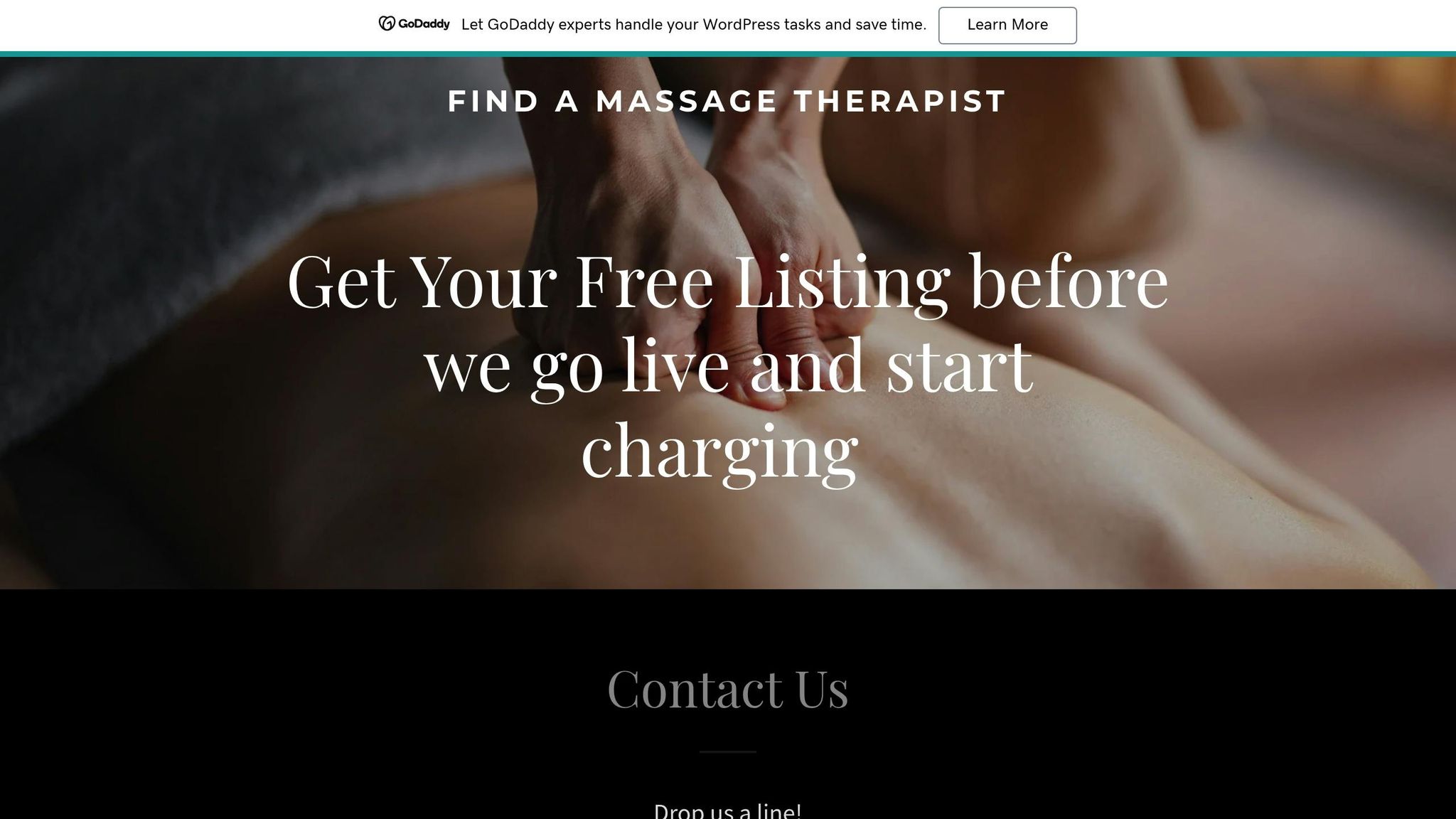
Your first step should be setting up a Google Business Profile. It’s free, widely used, and directly impacts your local search rankings. Beyond Google, focus on industry-specific directories like Find a Massage Therapist, which offers free listings tailored for massage professionals. These niche platforms are especially effective because they attract clients who are actively searching for massage services. On Find a Massage Therapist, you can use branded templates for promotion and manage client enquiries through contact forms, making it easier to generate and handle leads.
When creating your directory profiles, make sure they stand out. Include your professional qualifications and certifications, high-quality photos of your practice space, and clear descriptions of your services - whether it’s Swedish massage, deep tissue, or sports therapy. For example, in March 2023, one massage therapy practice updated their Google Business Profile with detailed service descriptions and professional images. The result? A 50% increase in appointment bookings within three months.
Reviews are game-changers. A solid rating of 4.5 or higher encourages 88% of potential clients to trust your business. Encourage happy clients to leave reviews and respond to all feedback professionally. This is crucial since 72% of consumers say positive reviews increase their trust in a business.
Actively managing your Google Business Profile also pays off. Businesses that do so experience a 67% increase in bookings compared to those that don’t. Use features like Google Posts to share wellness tips, announce promotions, or highlight new services. This keeps your profile fresh while showcasing your expertise.
Don’t overlook Yelp, especially in competitive urban areas. While Google dominates, Yelp’s detailed reviews can complement your online presence, giving potential clients additional reasons to choose you.
"A well-crafted online directory profile can make you easily recognisable and trustworthy to potential clients." - MassageBook
6. Send Targeted Email Marketing Campaigns
After establishing your online presence through social media and local listings, targeted email campaigns can strengthen your connection with clients. With an average open rate of 21.33% - 20 times higher than Facebook posts - email marketing is a cost-effective way to engage both current and potential clients.
Start by defining your goal. Are you looking to attract new clients, keep current ones engaged, or win back inactive clients? Your objective will shape your content strategy and help you measure success effectively.
The first step is building your subscriber list. Offer a lead magnet like a free consultation, a discount, or a self-care guide to encourage people to share their contact details. Once you have your list, create an email funnel. Begin with a welcome email introducing your services, followed by educational content and calls-to-action encouraging bookings. For existing clients, focus on retention by sharing wellness tips, seasonal offers, and reminders about the benefits of regular treatments.
Tools like ClinicSense make managing campaigns easier. They can help you organise client lists, automate appointment reminders, and even identify clients who might be at risk of not returning. Their features allow you to announce availability, request reviews automatically, and maintain consistent communication - all while saving time.
The real strength of email marketing lies in building a sense of community. Sending regular newsletters with wellness advice, updates on new services, or exclusive discounts keeps your practice at the forefront of clients' minds. When clients find your content valuable and feel connected, they're more likely to book appointments consistently and recommend your services to others.
"According to Mailchimp, the average email newsletter open rate is 21.33% – 20 times higher than the engagement rate for Facebook posts!" - OriGym
7. Set Up Client Referral Rewards
While your digital and local marketing efforts help establish visibility, referral rewards take it a step further by turning happy clients into a driving force for growth. In the massage therapy world, word-of-mouth recommendations are incredibly powerful. People naturally trust advice from friends and family far more than traditional advertising. A well-thought-out referral programme can tap into this trust and create a structured way to grow your practice.
Building on earlier strategies for client engagement, a referral programme can extend your reach even further. The key to success lies in timing and approach. After a particularly effective treatment or when a client expresses satisfaction with their progress, ask if they know someone who might benefit from your services. Framing it as a genuine concern for their network's wellbeing makes the conversation feel natural, not sales-driven.
"Your happiest clients are often your best promoters." - The Complementary Medical Association
To make referrals more appealing, offer attractive incentives. For example, provide a 10% discount to both the referring client and the new one for each successful referral. This creates a win-win situation where both parties feel appreciated, while your client base continues to grow.
Promote your referral programme through multiple channels. Print referral postcards or use the back of your business cards, leaving space for clients to write their names to claim credit. Include reminders in your email newsletters, and mention the programme casually during appointments with satisfied clients.
Automation can make the process easier. Use simple software to send polite follow-up emails after appointments, encouraging clients to refer friends while their positive experience is still fresh. Don’t forget to track the programme’s performance to ensure it delivers consistent results.
"Word-of-mouth is still one of the most powerful forms of marketing, especially in holistic health and complementary medicine." - The Complementary Medical Association
Referral programmes do more than bring in immediate bookings - they also attract clients who already trust your services, thanks to recommendations from their friends. Keep an eye on your referrals to identify your most active ambassadors and refine your strategy as needed.
Comparison Table
Each strategy comes with its own advantages and challenges, so it's important to choose the ones that align with your practice's goals and resources.
| Strategy | Primary Purpose | Cost | Time to Results | Best For | Key Limitations |
|---|---|---|---|---|---|
| Social Media Platforms | Boosting brand awareness and engaging with clients | Free to £500/month | 3–6 months | Practices targeting younger audiences | Requires consistent content creation |
| Client Loyalty Programmes | Encouraging repeat visits and client retention | £50–£200 setup + ongoing rewards | 1–3 months | Established practices with regular clients | None |
| Local SEO Optimisation | Driving local search traffic | £200–£800/month | 3–12 months | Suitable for all practices, especially new ones | Needs technical expertise and regular updates |
| Wellness Business Partnerships | Building credibility and gaining cross-referrals | Free to £100/month | 2–6 months | Practices in health-focused areas | Relies heavily on the strength of partner relationships |
| Online Directory Listings | Improving visibility and increasing bookings | Free to £50/month per directory | 1–4 weeks | Ideal for all practices looking to enhance their online presence | High competition with other listings |
| Email Marketing Campaigns | Retaining clients and delivering promotions | £20–£100/month | 2–8 weeks | Practices with an existing email list | Requires ongoing content planning |
| Client Referral Rewards | Attracting new clients through trusted recommendations | £10–£50 per successful referral | 2–4 weeks | Works for all practices with satisfied clients | None |
Using a mix of these strategies often delivers the best results. For example, Margaret Wallis-Duffy’s success with referral rewards and loyalty programmes highlights how combining approaches can drive growth. Referral rewards help bring in new clients, while loyalty programmes ensure consistent bookings, creating a balanced and effective plan.
For newer practices, focusing on local SEO and directory listings can help establish visibility quickly. Meanwhile, more established practices may see greater benefits from loyalty programmes and referral rewards, which build on existing client relationships. Social media and email marketing are also excellent supporting strategies, keeping your practice connected with your community on a regular basis.
Ultimately, the key to success lies in tailoring these strategies to your practice’s specific goals and resources. By doing so, you can maximise both client retention and acquisition, ensuring steady growth over time.
Conclusion
These seven strategies offer a well-rounded plan to boost both client acquisition and retention for your massage practice. By putting them into action, you can turn your business into a flourishing hub that attracts new clients while keeping existing ones loyal and engaged. A strong online presence combined with meaningful relationship-building forms the backbone of this dual approach.
Tailoring your approach to the UK market is key. British clients often look for services that balance stress relief with targeted therapeutic treatments. By understanding and addressing these preferences, you can shape your marketing messages and service offerings to better connect with local clients. This localised approach helps your practice stand out and resonate more effectively with your audience.
These methods are adaptable to practices of all sizes. Whether you're just starting out or running an established clinic, you can begin with budget-friendly options and gradually expand into more comprehensive strategies as your business grows.
At the heart of these strategies is a focus on client-first marketing. From easy-to-use online booking systems to personalised loyalty rewards, every tactic is designed to provide value and build trust with your clients. This way, you're not just chasing one-off bookings but fostering genuine, long-term relationships.
For sustained success, regular evaluation and adjustment are essential. Different approaches will work better depending on your location - urban clinics might thrive on social media campaigns, while rural ones could benefit more from partnerships within the local community. By continually fine-tuning your strategies, you can stay aligned with market trends and client expectations, ensuring your practice remains competitive and relevant.
FAQs
What’s the best way to use social media platforms like Instagram and TikTok to promote my massage practice?
To get the most out of platforms like Instagram and TikTok for your massage practice, focus on sharing visually appealing content. This could include high-quality photos of your treatment space, short videos showcasing your techniques, or behind-the-scenes glimpses of your day-to-day work. You could also post wellness tips or relaxation advice to keep your audience engaged.
Another effective strategy is to share client testimonials (with their consent). These can help establish trust and show potential clients the value of your services. Additionally, use these platforms to announce special deals, seasonal discounts, or loyalty programmes.
Consistency is essential - regular posts and prompt responses to comments or messages can help you build a stronger connection with your audience and ensure your practice stays on their radar.
What should I include in a client loyalty programme for my massage practice?
A well-thought-out client loyalty programme can be a game-changer for encouraging repeat visits and building lasting relationships with your clients. Simple ideas like loyalty cards, where clients earn a free session after a specific number of visits, or discounted packages for booking multiple sessions in advance, can work wonders. Another effective approach is offering rebooking incentives - for instance, a small discount for scheduling the next appointment before leaving the clinic.
The key is to keep the programme straightforward, easy to follow, and tailored to your audience. Adding personal touches, such as exclusive deals for your most loyal clients, can go a long way in making them feel valued and appreciated. These small gestures can make all the difference in creating a sense of connection and loyalty.
How can local SEO help a massage practice attract more clients nearby?
Local SEO is a powerful tool for ensuring your massage practice stands out when people in your area search for services like yours. By fine-tuning your website and business listings for local searches, you can connect with clients actively seeking massage therapy nearby.
This approach boosts your chances of appearing on platforms like Google Maps or in searches like 'massage therapist near me.' That visibility makes it simpler for potential clients in your community to discover and book your services. In turn, this can mean more appointments, greater recognition, and a loyal base of local customers.