An aromatherapy massage combines the soothing touch of massage with the calming effects of essential oils to reduce anxiety. This therapy works by relaxing the body, calming the nervous system, and lowering physical tension. Essential oils like lavender, chamomile, and jasmine interact with the brain's limbic system to manage stress and promote relaxation. Research shows it can lower anxiety scores significantly, with both immediate and long-term benefits.
Key points:
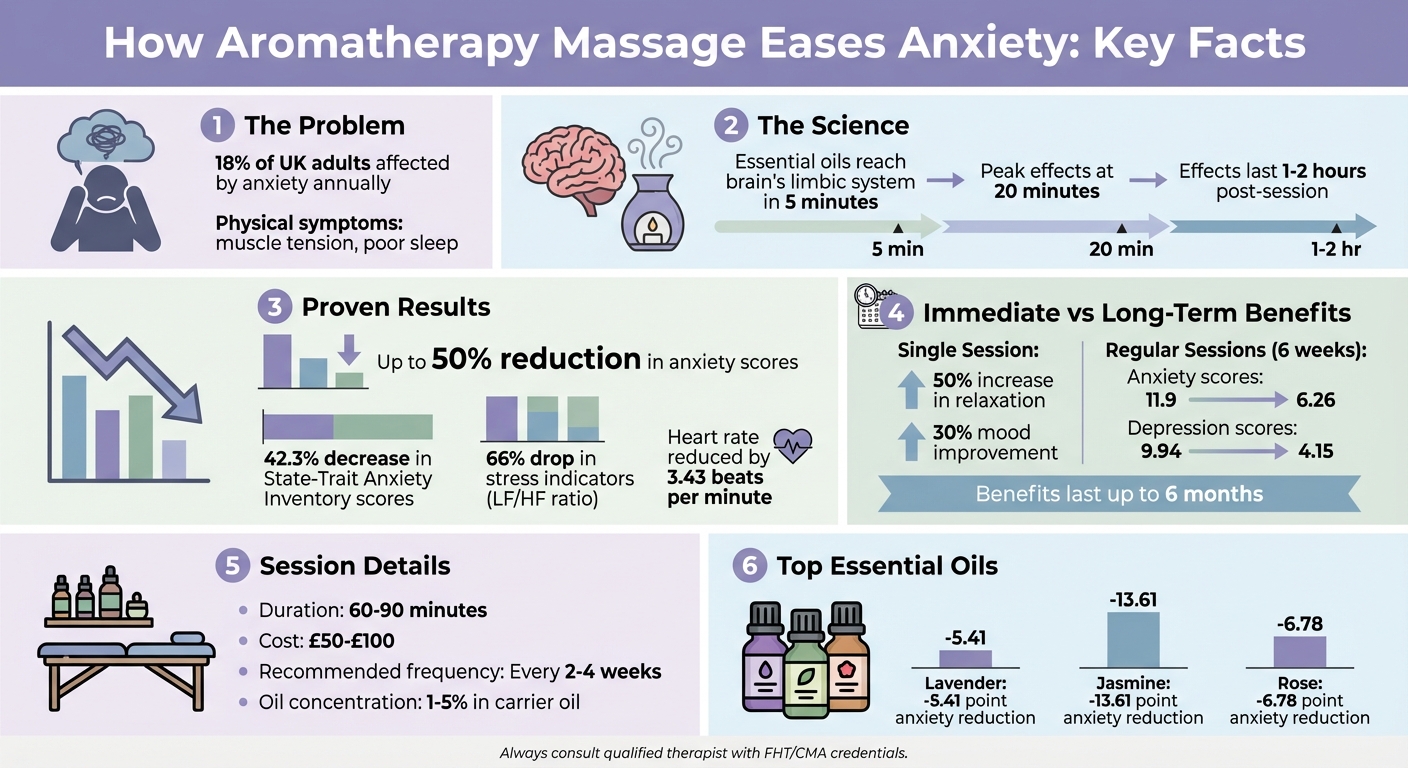
- Anxiety affects 18% of UK adults annually, often showing physical symptoms like muscle tension and poor sleep.
- Aromatherapy massage blends touch and scent to calm the nervous system and ease stress.
- Essential oils like lavender and chamomile are absorbed through the skin and inhaled, delivering calming effects in minutes.
- Studies show this therapy can reduce anxiety scores by up to 50%, especially with regular sessions.
- Sessions last 60–90 minutes, costing £50–£100, and include a personalised oil blend tailored to your needs.
This therapy is ideal for managing anxiety naturally and safely. Always choose a qualified therapist with proper credentials for the best experience.
Aromatherapy Massage for Anxiety: Key Statistics and Benefits
Use these essential oil for stress relief | Aromatherapy for anxiety, stress & restful sleep
sbb-itb-abe02fa
How Aromatherapy Massage Addresses Anxiety
Anxiety often shows itself through a mix of mental and physical symptoms. When stress persists, the body stays in a heightened state, with the sympathetic nervous system constantly engaged, making it hard to relax. Aromatherapy massage tackles anxiety by blending the soothing power of touch with the chemical effects of essential oils. Together, these elements create a therapeutic method that works on several levels.
How Essential Oils Calm the Nervous System
When essential oils are inhaled, they stimulate the olfactory bulb, which connects to the limbic system - the brain's emotional control centre responsible for managing stress and hormone levels. When applied to the skin, these oils are absorbed into the bloodstream, with effects starting in about 5 minutes and peaking at 20 minutes.
"The olfactory system is connected to the limbic system, which is the emotional control centre - hence involved in controlling stress and hormone balance."
- Shima Mehrabian, MSN, Nursing Research Center
Certain compounds in essential oils, like linalool and linalyl acetate found in lavender, interact with serotonin transporters and GABA-A receptors, delivering calming and sedative effects. A review of 44 randomised controlled trials showed that essential oils reduced State Anxiety Inventory scores by an average of 6.63 points and decreased heart rate by 3.43 beats per minute.
When paired with massage, these effects are amplified, creating a more profound sense of relaxation.
How Massage Techniques Work with Aromatherapy
Massage helps shift the body from a stress-driven sympathetic state to the calming parasympathetic state. This change lowers heart rate, reduces blood pressure, and eases muscle tension. It also boosts lymphatic circulation and clears blood lactate, relieving physical signs of anxiety.
"Touch and scent work together: hands-on massage soothes muscles whilst scent adds a parallel sensory route."
This combination of touch and aroma creates a powerful calming effect on the nervous system. Studies show that this approach can lead to a 42.3% reduction in State-Trait Anxiety Inventory scores and a 66% drop in the LF/HF ratio, indicating a strong shift towards a balanced autonomic state.
Best Essential Oils for Reducing Anxiety
Touch and scent play a powerful role in calming the nervous system, and the right essential oils can amplify this effect. Each essential oil has unique properties that influence emotional well-being and physical stress levels. Selecting the right oil - or a blend - can make aromatherapy massage even more effective in managing anxiety symptoms.
Lavender: The Go-To for Relaxation
Lavender (Lavandula angustifolia) stands out as the most studied essential oil for anxiety relief. Its active compounds, linalool and linalyl acetate, interact with key neuropharmacological systems, including GABA-A receptors and serotonin transporters, to deliver calming and sedative effects. Research shows lavender can significantly reduce both temporary (state) and long-term (trait) anxiety, with anxiety scale reductions averaging between -5.41 and -5.5 points.
"Lavender essential oil... can interact with several neuropharmacological targets, including the serotonin transporter and the MAO-A, GABA-A, and NMDA ionotropic receptors, thus exerting a central anxiolytic, antidepressive, and relaxing action."
- Michele Antonelli, MD, University of Parma
Lavender's versatility makes it a staple in aromatherapy, but other oils also bring unique benefits to the table.
Chamomile: Gentle Yet Effective
Chamomile is known for its mild sedative properties, making it an excellent option for those who prefer subtler scents. It works well in blends, offering a calming effect on both the mind and body. Studies show it can help reduce symptoms of anxiety and depression, particularly in sensitive groups. Its soothing nature makes it an ideal choice for enhancing relaxation without overwhelming the senses.
Jasmine, Frankincense, and Rose: Emotional Anchors
- Jasmine (Jasminum sambac): Known for its ability to provide immediate relief from situational stress, jasmine has been shown to reduce anxiety scores significantly, with an average drop of -13.61 points.
- Damask Rose (Rosa rugosa): This oil is particularly effective in stabilising emotions, with research indicating a reduction of -6.78 points in state anxiety.
- Frankincense: Often used in high-stress scenarios like labour, frankincense enhances emotional stability and promotes a sense of calm.
For best results, dilute these oils in a carrier oil at 1.5–3.0% (or 0.2–1.5% for facial use). Peak absorption occurs within 20 minutes, with the oils typically eliminated from the body by 90 minutes. When combined with massage, these essential oils can create a deeply relaxing experience, easing both physical tension and emotional stress.
What Happens During an Aromatherapy Massage Session
If you're new to aromatherapy massage, knowing what happens during a session can help you feel more at ease. Typically, these sessions last between 60 and 90 minutes, with prices ranging from £50–£80 for the shorter option and £70–£100 or more for the longer one. The experience is designed to be calming throughout, with every step tailored to your individual needs. It all starts with a consultation and the careful selection of essential oils.
Consultation and Choosing Your Oils
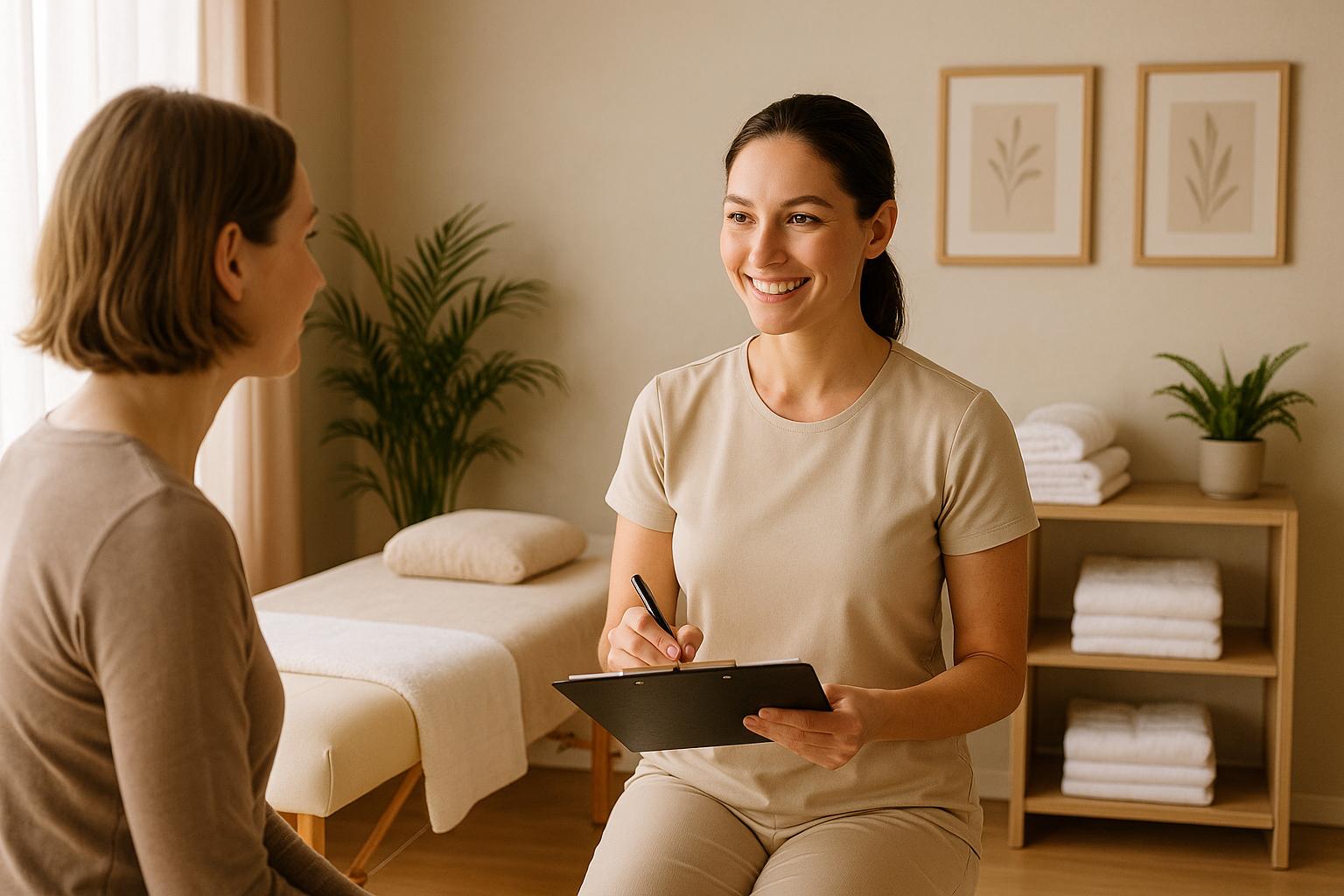
Before the massage begins, your therapist will take some time to understand your needs. This involves a detailed consultation covering your medical history, current medications, diet, exercise routine, and sleep patterns. They'll also check for any conditions like pregnancy, epilepsy, asthma, high blood pressure, or skin sensitivities that could affect the choice of oils.
It's important to be upfront about any allergies, recent surgeries, or sensitivities. After all, the sense of smell is incredibly powerful - about 10,000 times more sensitive than our other senses. During this chat, you'll discuss your goals for the session, whether it's to unwind, find emotional balance, or ease physical discomfort. Based on your input, the therapist will select one to three essential oils and mix them with a carrier oil, creating a blend with a concentration of 1% to 5%. You'll have the chance to test the blend to ensure it suits you before the massage begins. This customised mix is designed to address both the physical and emotional aspects of your well-being.
Massage Techniques Used
Once you're comfortable and draped appropriately, the therapist will start the massage by using effleurage - smooth, flowing strokes that follow the natural contours of your muscles. This technique helps to warm up the tissues and calm your nervous system. For areas where tension tends to build, like the shoulders and neck, they might use petrissage, which involves kneading and rolling motions.
Unlike deep tissue massage, aromatherapy massage focuses on gentle, rhythmic movements to promote relaxation. As the massage progresses, the essential oils begin to work their magic, with their effects continuing to develop for one to two hours after the session. The therapist will adapt the pressure to your comfort level and may use light friction to ease particularly tight spots.
Aftercare Advice
Once the massage is complete, it's a good idea to drink water right away and hold off on showering for two to four hours. This allows the essential oils to fully absorb into your skin. To maintain the relaxed state achieved during the session, avoid caffeine, alcohol, and heavy physical activity for the rest of the day.
Some people might experience mild side effects, often referred to as a "healing crisis." Symptoms like headaches, fatigue, or irritability may occur as the body releases toxins, but these usually clear up within 24 hours. If the massage included citrus-based oils like bergamot or orange, it's best to avoid sun exposure, as these oils can make your skin more sensitive to UV rays. To extend the benefits of the session, your therapist might recommend using the same oils in a diffuser or adding them to a bath at home.
Benefits of Aromatherapy Massage for Anxiety
Aromatherapy massage combines the soothing power of touch with the therapeutic effects of scent. This dual approach works wonders for anxiety. Essential oil molecules, when inhaled, interact with the limbic system - the part of the brain tied to emotions and memories. Simultaneously, the massage itself helps shift the body from a stressed state (sympathetic) to a relaxed one (parasympathetic), promoting the release of serotonin and endorphins.
Quick Stress Relief
Even a single session can deliver noticeable relaxation. For example, a pilot study revealed that relaxation levels increased by 50% immediately after one aromatherapy massage, while mood improved by 30%. These aren't just fleeting feelings. Research on breast cancer patients showed a significant drop in state anxiety after just one 30-minute session. Similarly, studies on older women with acute coronary syndrome found marked reductions in both blood pressure and heart rate following treatment.
"Smells also reach the limbic part of the brain, where our instincts, memories, and emotions are stored." - Lorrie Hargis, Registered Aromatherapist
While the immediate effects are impressive, the real magic happens with consistent treatments.
Long-Term Emotional Benefits
Regular aromatherapy massage sessions provide lasting emotional stability. Between August and October 2019, researchers at Kerman University of Medical Sciences conducted a study with 38 elderly nursing home residents. These participants received 20-minute aromatherapy massages three times a week for six weeks. The results were striking: their average anxiety scores dropped from 11.9 (severe) to 6.26 (healthy/mild), and depression scores fell from 9.94 to 4.15. Another study led by Dr Karen J. Sherman found that 10 sessions over 12 weeks yielded anxiety reductions that persisted for six months.
Consistency is the key here. Regular sessions help retrain the nervous system, creating a calmer, more balanced baseline over time.
How to Find a Qualified Aromatherapy Massage Therapist
Why Qualifications and Experience Matter
When it comes to aromatherapy massage, expertise is key. Therapists with specialised training understand the chemistry of essential oils, how to dilute them safely, and their effects on the nervous system. In the UK, a qualified aromatherapist usually holds a Level 3 qualification (or equivalent) that aligns with National Occupational Standards.
Membership in professional organisations like the Federation of Holistic Therapists (FHT) or the Complementary Medical Association (CMA) is equally important. These memberships indicate that the therapist has indemnity insurance and adheres to strict codes of conduct. This offers peace of mind, knowing you're in safe hands.
"By choosing an aromatherapist who is an FHT member, you can be confident that they are professionally trained, qualified and insured." - Federation of Holistic Therapists
With this understanding, you can confidently use tools like the Find a Massage Therapist directory to locate qualified practitioners in your area.
Using Find a Massage Therapist to Locate Local Practitioners
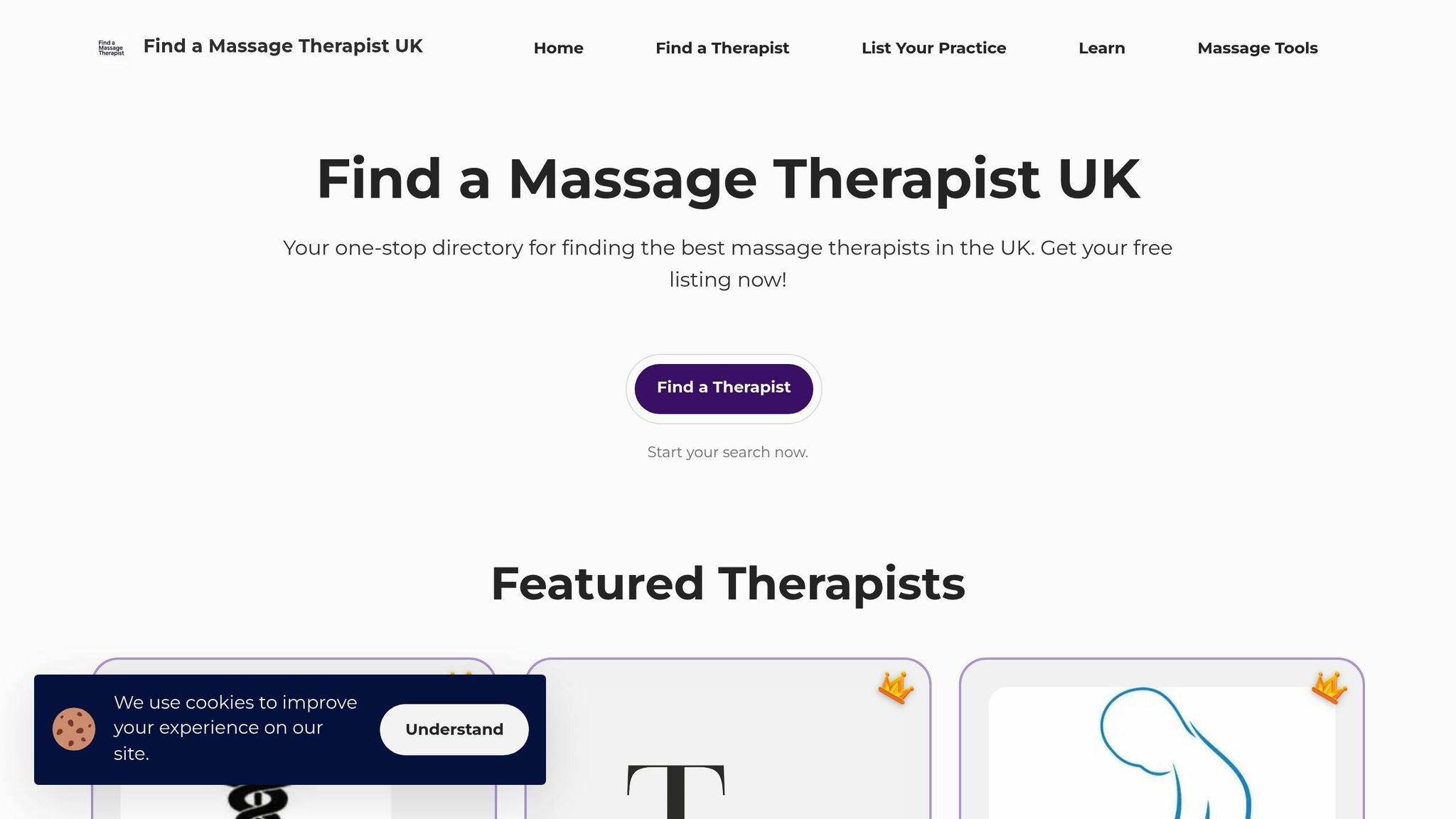
Once you've verified the necessary credentials, it's time to find a therapist near you. The Find a Massage Therapist directory makes this process straightforward. It allows you to filter for professionals who specialise in aromatherapy massage, particularly those focusing on stress and anxiety relief.
When browsing profiles, check for mentions of aromatherapy-specific training and membership in professional bodies like the FHT. Typical session costs range from £50–£80 for a 60-minute treatment or £70–£100+ for a 90-minute session. It's also a good idea to confirm the therapist’s experience in treating anxiety and ask about their preferred essential oils, such as lavender, chamomile, or bergamot.
This approach ensures you find a therapist who meets your needs and provides a safe, effective aromatherapy experience.
Conclusion
Aromatherapy massage offers a powerful way to address anxiety, blending the soothing effects of gentle touch with the calming properties of essential oils. Studies highlight its potential, showing a drop in anxiety scores among elderly adults from 11.9 to 6.26 over just seven weeks. This therapy not only eases physical tension but also helps calm the nervous system, shifting the body from a heightened 'fight or flight' state to a more relaxed and balanced one. For those managing anxiety, it’s a practical and effective self-care option.
To enjoy these benefits safely, it’s essential to choose a qualified therapist. Look for professionals with recognised credentials and membership in organisations like the Federation of Holistic Therapists (FHT) or the Complementary Medical Association (CMA). These qualifications ensure proper handling of essential oils, appropriate blends, and awareness of any contraindications. With 60-minute sessions typically costing between £50 and £80, aromatherapy massage remains an accessible and effective choice for anxiety relief.
Incorporating aromatherapy massage into your routine - perhaps every 2 to 4 weeks - can help maintain its calming effects and prevent stress from building up. Websites like Find a Massage Therapist make it easy to locate skilled practitioners in your area who specialise in anxiety and stress relief.
Take the first step toward a calmer, more balanced life by booking a session today.
FAQs
How many sessions do I need to feel less anxious?
The number of aromatherapy massage sessions required to help reduce anxiety can vary from person to person. Research indicates that having sessions twice a week over the course of six weeks often leads to noticeable improvements. For many, the most pronounced benefits tend to emerge within this timeframe, though individual experiences may differ.
Is aromatherapy massage safe if I’m pregnant or on medication?
Aromatherapy massage is considered safe during pregnancy as long as certain essential oils are avoided. It's important to consult a professional therapist to make sure the oils used are appropriate for pregnancy. If you're taking any medication, it's wise to seek medical advice first, as some oils could interact with medications or influence specific health conditions. Working with a qualified therapist helps ensure the experience is both safe and personalised.
What should I tell the therapist if I’m sensitive to certain smells?
If you’re sensitive to certain scents, it’s important to let the therapist know beforehand. This way, they can steer clear of using those essential oils during your session, keeping the experience personalised and comfortable for you.