When it comes to strengthening your immune system, massage therapy offers several benefits. It can help lower stress, improve lymphatic drainage, and boost blood circulation - all of which support your body’s natural defences. Research shows that different massage techniques, such as Swedish, lymphatic drainage, deep tissue, aromatherapy, and Shiatsu, can positively impact immune function by reducing cortisol levels and promoting the production of white blood cells. Here's a quick breakdown:
- Lymphatic Drainage Massage: Gentle pressure helps move lymph fluid, supporting detoxification and white blood cell production. Ideal for those with lymphoedema or post-surgery recovery.
- Swedish Massage: Light to medium strokes reduce stress and increase lymphocyte activity. Suitable for general immune support and stress relief.
- Deep Tissue Massage: Firm pressure targets chronic tension, reducing inflammation and cortisol. Best for those with muscle pain or athletes.
- Aromatherapy Massage: Combines massage with essential oils like lavender or tea tree, which may lower stress and offer antimicrobial benefits.
- Shiatsu Massage: Uses finger pressure to balance energy flow and reduce stress, promoting a relaxed state that supports the immune system.
Each technique has unique benefits, so your choice should match your health goals, stress levels, and physical condition. Always consult a professional if you have medical concerns or are unsure which massage is right for you.
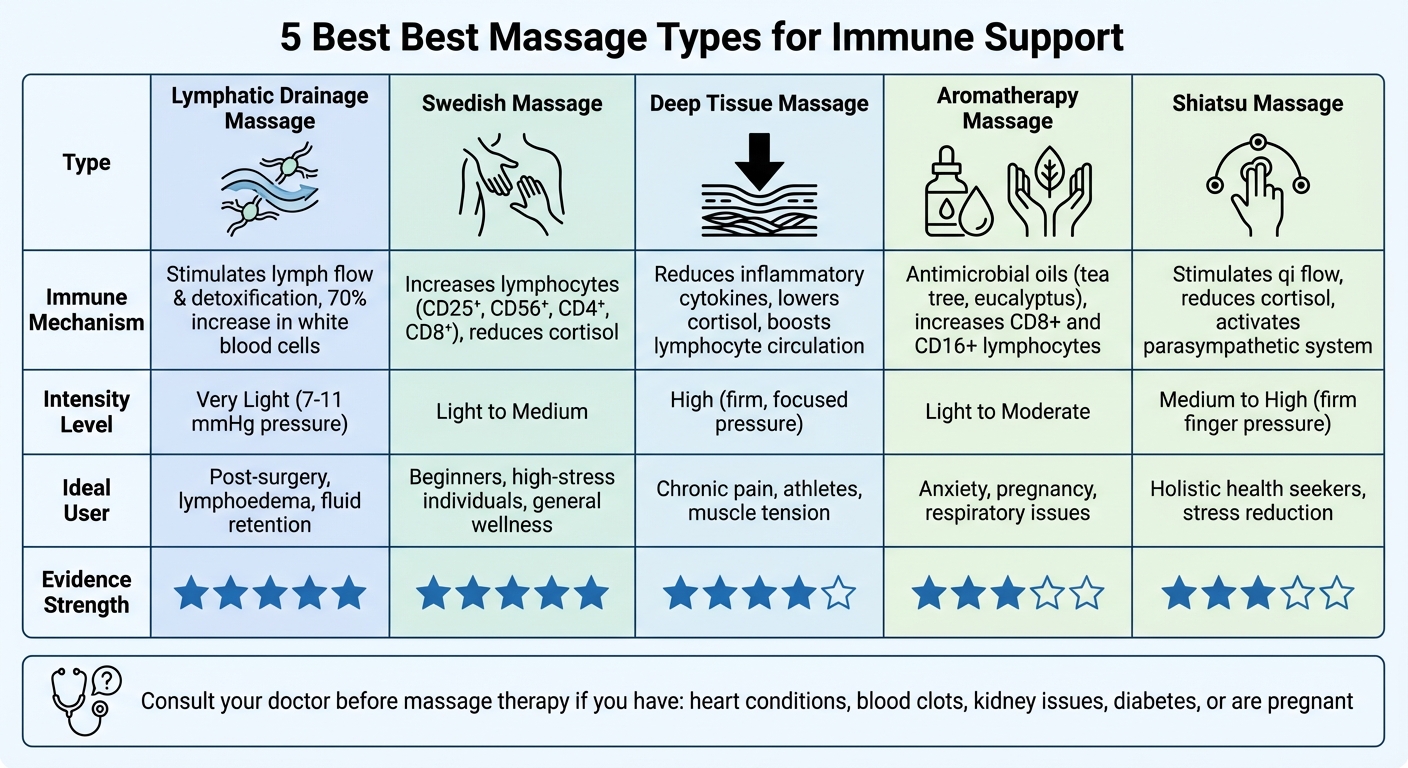
Comparison of 5 Massage Types for Immune Support: Mechanisms, Intensity and Benefits
How Massage Supercharges your Immune System (it's more than relaxation)
sbb-itb-abe02fa
1. Lymphatic Drainage Massage
Lymphatic drainage massage involves gentle, rhythmic strokes designed to guide lymph fluid through the body’s lymphatic system. This process helps filter out harmful substances and supports the production of white blood cells through mechanisms known as 'clearing' and 'reabsorption'.
Immune Mechanism
This massage technique not only reduces cortisol but also actively boosts immune function. It stimulates nerves connected to lymphoid glands, prompting the release of white blood cells into the bloodstream. In a study led by Professor Fulvio D'Acquisto at the University of Roehampton, blood samples from seven participants were analysed before and after a one-hour massage. Results showed a 70% increase in white blood cell count compared to a period of rest. Professor D'Acquisto explained:
"What we've seen is that during the resting phase white blood cells increase just a tiny bit but when you actually have a massage this increase was massive. It was significantly higher."
Additionally, the massage activates the parasympathetic nervous system, which can lower cortisol levels and further enhance immune health.
Intensity Level
Lymphatic drainage massage is characterised by an exceptionally light touch, much gentler than Swedish or deep tissue techniques. Since lymphatic vessels are located just beneath the skin, using too much pressure can harm these vessels and disrupt fluid movement. Studies on mice revealed that gentle strokes at a pressure of 7–11 mmHg (100–150 mm H₂O) significantly boosted T cell production, while harsher methods had no effect. This precise pressure requirement makes the technique well-suited for specific medical conditions.
Ideal User
This massage is particularly helpful for individuals dealing with lymphoedema (often after cancer treatments or mastectomy), rheumatoid arthritis, fibromyalgia, or chronic venous insufficiency. If you’re seeking treatment for lymphoedema, ensure that your therapist has completed at least 135 hours of specialised training and holds certification as a lymphoedema therapist. For those without lymphatic conditions, a standard massage might be a better choice for general immune support.
Evidence Strength
The evidence backing lymphatic drainage massage is solid, especially for managing lymphoedema and aiding recovery after cancer. Clinical studies have documented increases in lymphocytes and natural killer cells following treatment. However, this technique isn’t suitable for everyone - avoid it if you have heart failure, kidney failure, blood clots, or active infections.
2. Swedish Massage
Swedish massage uses long, flowing strokes, kneading, and gentle circular motions to improve blood and lymph flow. This technique supports the movement of white blood cells and helps flush toxins through the lymphatic system. The gentle-to-medium pressure encourages your body to switch from a stressed "fight or flight" mode to a deeply relaxed state by activating the parasympathetic nervous system.
Immune Mechanism
A 2010 study conducted at Cedars-Sinai Medical Center examined 29 healthy adults who received a 45-minute Swedish massage and compared them to 24 participants who experienced only light touch. The massage group showed a marked increase in circulating lymphocytes (CD25⁺, CD56⁺, CD4⁺, and CD8⁺ cells), along with reduced levels of cortisol, arginine vasopressin (AVP), and pro-inflammatory cytokines like IL‑1β, IL‑2, and IL‑6.
Intensity Level
Swedish massage is known for its gentle-to-medium pressure, making it a suitable choice for most people, including beginners. Sessions typically last between 60 and 90 minutes. This moderate intensity helps lower cortisol levels while encouraging white blood cell production, without the discomfort that can sometimes accompany more intense massage techniques.
Ideal User
This massage is ideal for healthy adults looking for stress relief and general immune support. It’s especially helpful for those dealing with high stress or anxiety. For immune benefits, a professional session once a month is a good starting point, though weekly sessions may offer greater increases in lymphocyte levels. For those aiming to manage stress hormones, scheduling sessions twice a week can lead to more noticeable effects on cortisol and oxytocin levels. However, individuals with heart conditions, diabetes, certain skin issues, or those who are pregnant should consult their GP before booking. It’s also best to avoid massage if you’re currently unwell with a cold or flu.
Evidence Strength
The evidence supporting Swedish massage is strong. Randomised controlled trials have shown significant biological changes after just one 45-minute session, with effect sizes ranging from 0.14 to 0.43 for various types of white blood cells. Dr. Rapaport summarised the findings well:
"This research indicates that massage doesn't only feel good, it also may be good for you."
Next, we’ll take a closer look at Deep Tissue Massage and how it supports immune health.
3. Deep Tissue Massage
Deep tissue massage focuses on slow strokes and firm pressure to reach the deepest layers of muscles and connective tissues. It's particularly effective for easing chronic tension and muscle knots, which can help reduce the negative effects of chronic pain on the immune system.
Immune Mechanism
Research from Cedars-Sinai highlights the immediate impact a single session of deep tissue massage can have on the immune system. It works by lowering cytokine levels - molecules linked to inflammation - and boosting the production and circulation of lymphocytes, the white blood cells that fight infections. This type of massage also shifts the body from a high-stress "fight-or-flight" state to a more relaxed parasympathetic state, reducing cortisol levels. Additionally, the applied pressure enhances lymph flow through ducts and nodes, aiding the body's natural filtration process.
Intensity Level
Deep tissue massage uses firm, focused strokes to break up adhesions and release tension in deeper muscle layers. These sessions can feel intense, especially when targeting specific problem areas. It's a good idea to drink plenty of water afterwards to help flush out the metabolic waste released during the treatment.
Ideal User
This technique is ideal for people with a higher pain tolerance or those dealing with chronic muscle pain, inflammation, or ongoing tension. Athletes, as well as individuals with limited mobility or postural issues, often find it particularly helpful. Regular sessions - about once a month - can be beneficial for maintaining immune health. However, deep tissue massage isn't suitable for everyone. People with blood clots, deep vein thrombosis (DVT), kidney failure, heart conditions, or active infections should avoid it. Those with autoimmune disorders or complex medical histories should consult their GP before scheduling a session.
Evidence Strength
The evidence supporting deep tissue massage is strong. Studies suggest it can enhance natural killer cell activity, which plays a key role in identifying and eliminating harmful pathogens. Next, we’ll explore how Aromatherapy Massage combines touch with essential oils to further support immune health.
4. Aromatherapy Massage
Aromatherapy massage offers a unique combination of gentle touch and essential oils, providing both relaxation and immune support. By stimulating lymph flow and lowering cortisol levels, it not only helps to calm the mind but also enhances the body’s defences against pathogens. The added antibacterial, antiviral, and antifungal properties of the oils make this technique particularly effective for immune health. Let’s explore how it works, its intensity, who it benefits, and the supporting research.
Immune Mechanism
This massage technique works by activating the parasympathetic nervous system, which helps the body shift into a relaxed state. It also incorporates essential oils known for their infection-fighting properties. For example, a study involving 52 healthy pregnant women found that a 70-minute massage using 2% lavender oil significantly reduced cortisol levels and improved immune markers. Additionally, oils like tea tree, eucalyptus, and peppermint have been shown to increase peripheral CD8+ and CD16+ lymphocytes, as demonstrated in a smaller study of 11 participants.
Intensity Level
Aromatherapy massage uses light-to-moderate pressure combined with long, flowing strokes. The focus is more on aiding the absorption of essential oils rather than deep tissue manipulation. This makes it an excellent option for pregnant individuals, those with chronic pain, or anyone who finds firm pressure uncomfortable.
Ideal User
This massage is particularly suited to people dealing with high stress, anxiety, or sleep issues. It’s also a great choice for pregnant individuals seeking gentle immune support. For infection-fighting benefits, oils like eucalyptus, peppermint, and tea tree are recommended. Meanwhile, lavender and frankincense are ideal for reducing stress-related immune suppression.
Evidence Strength
Clinical studies have shown measurable improvements in immune markers after aromatherapy massages, though the research often involves small sample sizes and would benefit from larger trials. Despite this, the evidence highlights aromatherapy's ability to reduce stress and boost lymphocyte levels. Studies consistently report improvements in both psychological well-being and immune function, reinforcing the role of this technique in supporting overall health.
5. Shiatsu Massage
Shiatsu is a traditional Japanese therapy that focuses on applying finger pressure to specific points along the body's meridians. The goal is to stimulate the flow of energy, or "qi", and promote balance within the body. This practice is believed to support the immune system by triggering pressure receptors that encourage the brain to release endorphins while reducing cortisol - a stress hormone known to weaken immunity.
Immune Mechanism
Shiatsu may enhance immune function by encouraging white blood cell production and mitigating the effects of chronic stress, which can suppress the immune system. Research from Cedars-Sinai Medical Centre revealed that even a single session of deep massage could increase white blood cell counts and decrease cytokines linked to inflammation. By activating the parasympathetic nervous system, Shiatsu helps the body shift into a state that supports immune health.
Intensity Level
Shiatsu involves firm, consistent pressure applied with fingers, thumbs, palms, and sometimes elbows. The goal is to stimulate energy flow without causing discomfort. Unlike Swedish or aromatherapy massages, Shiatsu is performed fully clothed and does not involve oils. For individuals with weaker immune systems, pregnancy, or conditions like hypertension, gentler pressure is advised. Overly forceful techniques can lead to nerve compression, so clear communication with the practitioner about comfort levels is essential.
Ideal User
Shiatsu is ideal for those who prefer a holistic, energy-centric approach to health over treatments focused solely on physical muscle relief. It is particularly appealing to individuals who resonate with Eastern philosophies, including concepts like meridians and qi. For general wellness and immune support, practitioners often recommend 2–3 sessions per week, each lasting 15–20 minutes. However, people with heart conditions, diabetes, or certain skin issues should consult a healthcare provider before starting Shiatsu.
Evidence Strength
Shiatsu gained official recognition from the Japanese Ministry of Health in the 1950s and remains a widely practised manual therapy in Japan. While much of the research comes from Japan and may not be readily available in English, broader studies on physical touch and pressure stimulation highlight its potential to boost white blood cell counts and regulate endocrine responses. Next, we’ll look at the overall pros and cons of these immune-boosting methods.
Advantages and Disadvantages
Each massage technique brings its own way of supporting the immune system, with unique benefits and some limitations. By understanding these, you can better align your choice with your health needs.
For instance, Swedish massage is well-supported by evidence for increasing lymphocyte levels, which are key to immune function. However, timing and frequency of sessions are crucial, as they can impact cytokine levels, which play a role in inflammation and immunity.
Lymphatic drainage is excellent for removing waste and addressing fluid retention, making it ideal for individuals recovering from surgery or dealing with lymphoedema. However, for people without these conditions, general massage techniques may provide broader immune benefits.
Deep tissue massage is particularly effective for reducing inflammatory cytokines and cortisol, which can help those with chronic pain. That said, its intensity might not suit everyone, especially those with a lower tolerance for deep pressure. In some cases, excessive pressure could lead to stress responses that counteract its intended benefits.
Aromatherapy massage combines touch with essential oils like eucalyptus and tea tree, which may provide antimicrobial support. This gentle approach is often preferred by pregnant women or those seeking a less intense experience. However, its evidence base is not as robust as Swedish massage.
Shiatsu, rooted in energy balancing, focuses on reducing stress, which can otherwise suppress the immune system. Dr Mark Rapaport from Cedars-Sinai highlights the broader potential of massage therapies:
"This research indicates that massage doesn't only feel good, it also may be good for you... it appears that a single massage may deliver a measurable benefit".
Here’s a quick comparison of the core features of each technique:
| Massage Type | Mechanism | Intensity | Ideal User | Evidence |
|---|---|---|---|---|
| Lymphatic Drainage | Stimulates lymph flow & detoxification | Very Light | Post-surgery, fluid retention | High |
| Swedish | Increases lymphocytes; reduces cortisol | Light to Medium | Beginners, high-stress individuals | High |
| Deep Tissue | Reduces inflammatory cytokines | High | Chronic pain, athletes | Moderate to High |
| Aromatherapy | Antimicrobial support via essential oils | Light | Anxiety, respiratory issues | Moderate |
| Shiatsu | Stress reduction & energy balance | Medium to High | Holistic health seekers | Moderate |
When choosing a massage, consider your specific needs, pain tolerance, and any health conditions. If you have concerns such as congestive heart failure, blood clots, kidney issues, heart disease, diabetes, or pregnancy, always consult your doctor before starting any massage therapy.
Finding a Local Specialist
After learning about the immune benefits of different massage techniques, the next step is finding a practitioner who can deliver the right treatment for your needs. Choosing the right specialist plays a key role in supporting your immune system effectively. Find a Massage Therapist is a convenient tool for UK residents, connecting you with local professionals skilled in immune-supporting massage methods. This platform makes it easier to locate a practitioner who matches your specific requirements.
The directory offers filters to help you find experts in techniques like lymphatic drainage or aromatherapy. For instance, if you're recovering from surgery or managing fluid retention, you can search for therapists with expertise in lymphatic drainage. Similarly, if aromatherapy interests you, the platform helps you identify specialists trained in using antimicrobial essential oils during massage.
It also matches practitioners to your health goals and medical history. Whether you're looking for stress relief through Swedish massage, chronic pain management with deep tissue work, or detoxification via lymphatic drainage, the directory narrows down options to those who can customise treatments to your symptoms. Jill S. Cole, Ph.D., massage therapy coordinator at UK HealthCare Integrative Medicine and Health, explains:
"Massage therapy can boost the immune system by increasing activity of white blood cells, which play a key role in defending the body from illness."
When selecting a therapist, look for someone who offers a detailed consultation to personalise treatments and ensure they align with any ongoing therapies.
For continued immune support, many professionals recommend scheduling sessions every 3–4 weeks. The directory simplifies the entire process, helping you move quickly from research to booking your first appointment.
Conclusion
Each type of massage offers its own way of supporting the immune system. For instance, Swedish massage is particularly effective at lowering cortisol levels and boosting lymphocyte production, which strengthens the immune response. Lymphatic drainage focuses on reducing fluid retention and promoting detoxification by enhancing lymph flow. However, if you don’t have lymphoedema, a standard massage might be more suitable for general immune support. Deep tissue massage, on the other hand, is ideal for addressing chronic pain and inflammation - both of which can contribute to elevated cortisol levels if left untreated. Aromatherapy massage combines the physical benefits of massage with the antimicrobial effects of essential oils like tea tree and eucalyptus. Meanwhile, Shiatsu provides a gentler option, making it a good choice for individuals with autoimmune conditions as it avoids overstimulating the immune system.
Your choice of massage should align with your health needs. If stress is your main concern, Swedish massage can help by engaging the parasympathetic nervous system to lower cortisol. For those dealing with persistent muscle tension, deep tissue techniques can break down inflammatory adhesions and provide relief. If you’re looking for seasonal immune support or recovering from an infection, aromatherapy massage with oils like lemon or ginger may enhance your body’s natural defences. Preferences also matter - some people find the smooth, flowing strokes of Swedish massage more appealing, while others may prefer the deeper pressure of a deep tissue massage to release stubborn knots. For anyone with autoimmune conditions, it’s wise to consult a qualified therapist to determine whether gentler methods, such as Shiatsu, are more suitable. Understanding these unique benefits allows you to make informed decisions about your care.
Finding the right specialist plays an important role in maximising these benefits. In the UK, platforms like Find a Massage Therapist make it easier to locate experienced practitioners trained in techniques like lymphatic drainage or aromatherapy. Their filters help you narrow down options to find therapists who meet your specific needs.
Consistency is key for maintaining the immune benefits of massage. Scheduling sessions every 3–4 weeks can help ensure long-term results. Always discuss your medical history, medications, and pressure preferences with your therapist to customise the treatment effectively.
FAQs
Which massage is best for immune support for me?
The best types of massages for supporting the immune system are lymphatic drainage and relaxation massages. These methods help improve lymph flow, encourage the production of white blood cells, and lower stress levels - all key factors in strengthening your body's defences.
How often should I book massages to help immunity?
Regular massages can play a role in supporting your immune system, but consistency is crucial. Scheduling sessions weekly or every other week helps maintain the benefits over time, ensuring your immune health continues to reap the rewards.
When should I avoid massage for immune reasons?
If you're dealing with an infection, a fever exceeding 38°C, a condition that weakens your immune system, or any contagious issue such as skin infections or severe inflammation, it's best to avoid massage. In such situations, massage could potentially aggravate your symptoms or even contribute to spreading the infection.