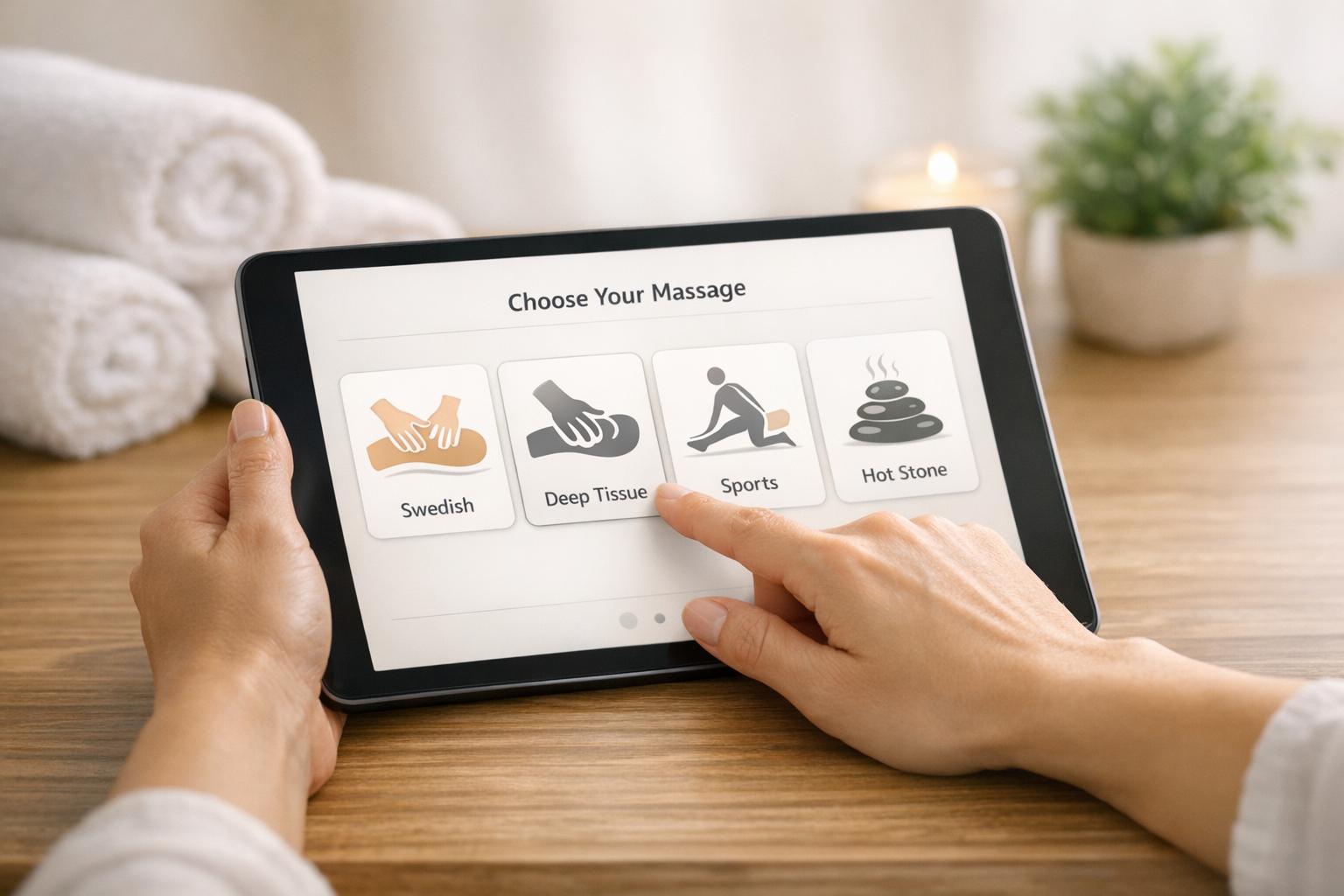
Looking for the perfect massage? Here's a quick guide to help you decide based on your needs:
- Swedish Massage: Light to moderate pressure, ideal for relaxation and stress relief. Great for beginners or those seeking a calming experience.
- Deep Tissue Massage: Uses firm, slow pressure to target deep muscle layers. Best for chronic pain, tension, or injury recovery.
- Hot Stone Massage: Combines warm stones with gentle pressure to ease muscle stiffness and promote relaxation.
- Shiatsu Massage: Focuses on applying pressure to specific body points, aiming to ease tension and balance energy.
- Sports Massage: Designed for active individuals, it targets overworked muscles, improves flexibility, and aids recovery.
Quick Comparison
| Massage Type | Pressure Level | Best For | Key Features |
|---|---|---|---|
| Swedish | Light to moderate | Relaxation, stress relief | Calming strokes, surface-level focus |
| Deep Tissue | Firm, intense | Chronic pain, deep tension, injuries | Targets deeper layers, intense relief |
| Hot Stone | Gentle with heat | Muscle stiffness, relaxation | Heated stones for soothing warmth |
| Shiatsu | Targeted pressure | Tension relief, energy balance | Focus on specific points |
| Sports | Medium to firm | Active lifestyles, injury recovery | Combines pressure and stretching |
Each type offers unique benefits, so your choice depends on whether you want relaxation, pain relief, or recovery support. Always communicate your preferences and any health concerns with your therapist for the best results.

Massage Types Comparison: Pressure Levels, Benefits, and Best Uses
What type of Massage Should I Get - Swedish, Hot Stone, Deep Tissue, Relaxation or Therapeutic?
1. Swedish Massage
Swedish massage is one of the most popular and widely practised massage techniques around the world. It involves applying gentle to moderate pressure to the surface muscles using long, flowing, and rhythmic strokes. This technique focuses on easing surface-level tension, providing a calming and soothing experience rather than targeting deeper muscle layers. The level of pressure can be adjusted to suit individual preferences, as explained below.
Pressure Level
The pressure used in Swedish massage is generally light to moderate, but therapists can tailor it to each person’s comfort. Unlike deep tissue massage, which works on deeper muscle layers with intense pressure, Swedish massage stays gentle, concentrating on the upper layers of muscle tissue.
Primary Benefits
Swedish massage offers a range of benefits, from reducing cortisol levels to boosting serotonin and dopamine, which can help improve mood and promote relaxation. It also enhances blood circulation, improving the delivery of oxygen and nutrients to muscles. For those struggling with insomnia, it may support better sleep quality. Studies have highlighted its benefits for both physical and mental health - for example, one review found it can help reduce pain, stiffness, and improve function in people with knee osteoarthritis.
Best For
This massage style is perfect for first-time clients or anyone looking to relax and relieve stress. It’s especially suitable for individuals sensitive to pressure or those wanting to ease general muscle tension, making it an excellent way to unwind after a hectic week.
Duration
A typical Swedish massage session lasts between 60 and 90 minutes, giving plenty of time for a full-body treatment that leaves you feeling refreshed and relaxed.
2. Deep Tissue Massage
Unlike Swedish massage, which focuses on surface-level relaxation, deep tissue massage hones in on chronic muscle tension and deeper layers of tissue. This technique relies on firm, deliberate pressure applied through slow, sweeping movements to target the innermost muscle layers and connective tissue. Therapists often use their elbows or forearms to achieve this level of intensity, typically rated between 6–8 on the pressure scale, compared to the lighter 2–4 of Swedish massage.
Pressure Level
Deep tissue massage is known for its significantly firmer pressure, which works to break down scar tissue and muscle adhesions. While the sensation can feel intense and sometimes uncomfortable, it should never cross the line into actual pain. If the pressure feels too much, it’s important to communicate with your therapist so they can make adjustments. This level of intensity is particularly effective for addressing chronic muscle issues and delivering noticeable relief.
Primary Benefits
This type of massage is highly effective for managing chronic pain conditions such as lower back pain, fibromyalgia, arthritis, sciatica, whiplash, plantar fasciitis, and repetitive strain injuries. In fact, the NHS specifically highlights its benefits for lower back pain. A 2014 study also noted that deep tissue massage helped injuries heal 38% faster. Beyond pain relief, it aids in improving posture, flexibility, and mobility by releasing deeply held muscle tension.
Best For
Deep tissue massage is ideal for those dealing with chronic aches, deep-seated muscle tension, or injuries from overuse. It’s particularly helpful for athletes, individuals with physically demanding jobs, or anyone experiencing poor posture from prolonged desk work or stress. If your aim is to address persistent muscle tension and improve mobility, this massage is a great option.
Duration
Sessions generally last between 60 and 90 minutes. Therapists often focus 10–15 minutes on each problem area to ensure thorough attention to your specific concerns.
Potential Drawbacks
You might feel mild soreness for 24–48 hours following a session, but applying ice can help ease this discomfort. Due to its intensity, deep tissue massage may not be the best choice if you’re looking for a purely relaxing experience. It might also be less suitable for older clients, as the post-session soreness can be more pronounced.
3. Hot Stone Massage
Hot stone massage blends the soothing warmth of heated stones with traditional massage techniques. Smooth volcanic stones, warmed to an ideal temperature, are either placed on specific areas of the body or used as tools during the massage. The heat spreads through your muscles, easing tension and providing a deeply comforting experience. This method is an appealing option for those looking for a relaxing yet effective way to relieve muscle tightness. The warmth allows for quicker penetration into soft tissues compared to hands alone.
Pressure Level
The pressure in a hot stone massage is typically mild to moderate, focusing on comfort rather than intensity. Chris Nobles, a Licensed Massage Therapist at the Hospital for Special Surgery in New York City, highlights the benefits of heat during the session:
Heat helps to dilate the blood vessels, which relaxes the tissue and nerves.
The heated stones work to relax muscles, enabling therapists to address deeper tension without applying excessive force. If the stones ever feel too hot, don’t hesitate to let your therapist know right away.
Primary Benefits
This technique offers a variety of benefits by combining heat and massage. It enhances blood circulation, reduces muscle tension, and encourages deep relaxation. By loosening tight muscles, it can improve flexibility, alleviate inflammation, and promote better circulation. A 2019 study even found that hot stone massage significantly improved sleep quality for individuals undergoing kidney dialysis. Beyond physical relief, it’s also highly effective at calming the mind and reducing stress.
Best For
Hot stone massage is ideal for those with tense or fatigued muscles who prefer a more soothing experience over intense pressure. It’s especially beneficial for managing stress, achieving deep relaxation, or helping the body and mind recover from daily demands. Since the heat plays a significant role in easing muscle tension, it’s a great alternative for anyone who finds deep tissue massage too intense but still wants effective therapeutic results.
Duration
Sessions generally last 60 to 90 minutes, giving enough time for precise stone placement and complementary hands-on techniques. However, if you have conditions like neuropathy or certain skin sensitivities, consult a healthcare professional beforehand to ensure this treatment is suitable for you. With its unique combination of heat and massage, hot stone therapy can be a powerful addition to your wellness routine.
sbb-itb-abe02fa
4. Shiatsu Massage
Shiatsu massage, originating from Japan, focuses on restoring the balance disrupted by the stresses of modern life. This therapeutic technique involves applying pressure to specific points on the body using hands and fingertips. By targeting these areas, Shiatsu aims to stimulate internal organs, ease tension, and harmonise the body's energy flow. Unlike the sweeping motions of Swedish massage or the intense force of deep tissue massage, Shiatsu hones in on precise points to promote balance.
Pressure Level
Shiatsu relies on concentrated pressure, applied with fingers and palms, to specific points on the body. This targeted method sets it apart from the broader strokes of Swedish massage and the deeper, forceful approach of deep tissue techniques.
Primary Benefits
Shiatsu offers more than just relief from muscle tension. It can help with joint flexibility, improve circulation, and reduce stress and anxiety. A 2002 study on fibromyalgia patients found that combining Shiatsu and Swedish massage twice a week over five weeks significantly reduced pain levels. Participants reported their mean pain scores dropping to 37, compared to 63 in those who practised progressive muscle relaxation therapy.
Best For
Shiatsu is ideal for those looking to unwind after a tough day, relieve stiffness, or rebalance both body and mind. Its focus on unblocking energy points makes it particularly appealing to anyone seeking a more holistic approach to well-being. Additionally, when paired with other massage techniques, Shiatsu may benefit individuals managing conditions like fibromyalgia.
Potential Drawbacks
Though uncommon, some people might experience mild side effects such as headaches, nausea, or temporary emotional discomfort following a session. If you have any health concerns, it's wise to consult your doctor before scheduling a massage. Be sure to inform your therapist about any medical conditions so they can tailor the treatment to your needs. Staying hydrated and following aftercare advice can also help you get the most out of your session.
5. Sports Massage
Sports massage is designed to meet the needs of active individuals, particularly athletes. It focuses on deeper muscle layers, using firm and steady pressure, often combined with stretching movements and lighter strokes. Unlike Swedish massage, which prioritises relaxation, sports massage targets specific muscle groups that have been overworked or injured through physical activity. Nadège, an in-house therapy expert at Urban Massage, highlights this distinction:
Sports massage are rarely about relaxation and more about treating specific injuries or as part of a training schedule.
Pressure Level
The pressure in sports massage is firm and targeted, similar to deep tissue techniques. However, what sets it apart is the inclusion of passive stretching, which helps improve joint range of motion. Therapists focus on areas that are overused or injured, tailoring the approach to the individual’s needs.
Primary Benefits
Sports massage offers a range of benefits for both performance and recovery. Studies suggest it can lower the risk of injuries by up to 28%. According to the American Massage Therapy Association, it significantly enhances flexibility and range of motion. By flushing out metabolic waste like lactic acid, it speeds up recovery, reduces muscle soreness by 10% to 20%, and minimises inflammation. Additionally, it helps with stress management and improves sleep quality, both of which are essential for overall health and recovery. These advantages make it particularly beneficial for those who regularly push their physical boundaries.
Best For
Sports massage is ideal for anyone with an active lifestyle, from casual runners to professional athletes. It’s particularly effective for addressing sports-related injuries, repetitive motion issues, and aiding post-operative recovery. Unlike relaxation-focused Swedish massage, this technique is aimed at enhancing athletic performance and recovery. Whether you’re looking to prevent injuries, improve performance, or manage persistent aches, sports massage can be a valuable addition to your routine. Regular sessions can also promote muscle development, improve flexibility, and boost energy levels.
Potential Drawbacks
Sports massage isn’t meant to be relaxing. It’s not suitable during the acute phase of an injury, typically the first seven days when inflammation is present. To maximise its benefits, wait at least two days between sessions to allow for full recovery. Foam rolling can be a helpful way to maintain the effects between appointments.
Comparison Table
Here’s a quick side-by-side look at the main features of five popular massage types, helping you find the one that suits your needs best. This overview complements the detailed discussions provided earlier.
| Massage Type | Pressure Level | Primary Benefits | Best Uses | Potential Drawbacks |
|---|---|---|---|---|
| Swedish Massage | Light, adjustable pressure targeting surface muscles. | Encourages relaxation, relieves stress, eases mild muscle tension, and improves circulation. | Great for general relaxation and stress relief. | No significant drawbacks. |
| Deep Tissue Massage | Firm, intense pressure with slow, deep movements targeting deeper muscle layers. | Eases chronic pain, releases deep muscle tension, and aids injury recovery. | Best for managing chronic pain, tension, or during injury rehabilitation. | Can be uncomfortable or painful; not ideal for relaxation alone. Communicate your comfort levels clearly. |
| Hot Stone Massage | Gentle pressure similar to Swedish techniques, combined with heated stones for soothing warmth. | Deep relaxation, stress relief, and easing of muscle stiffness. | Perfect for those with muscle tension seeking deeper relaxation. | No significant drawbacks. |
| Shiatsu Massage | Rhythmic, pulsing pressure on specific acupressure points. | Balances energy, reduces stress, and alleviates pain and tension. | Popular for holistic wellness and addressing energy imbalances. | No significant drawbacks. |
| Sports Massage | Medium to firm pressure with deep techniques and soothing strokes, tailored to individual needs. | Improves flexibility and speeds up recovery. | Ideal for athletes and active individuals dealing with sports-related injuries. | May cause temporary discomfort and requires recovery time between sessions (at least two days). |
For more details on each technique and its benefits, refer to earlier sections.
Specialised treatments are typically priced between £55 and £95, depending on factors like session length, therapist expertise, and location. Always inform your therapist about any medical conditions or injuries to ensure a safe and effective session.
Conclusion
Selecting the right type of massage depends entirely on your needs. If you're looking to unwind, a Swedish massage might be the perfect choice. For chronic pain, deep tissue massage can work wonders. Hot stone massages offer soothing warmth, Shiatsu focuses on energy balance, and sports massage is ideal for aiding recovery after physical activity.
Your personal goals - whether it's relaxation, pain relief, recovery from an injury, or stress reduction - should guide your decision. For more specific concerns, speaking with a qualified therapist can help you find the most effective treatment tailored to your situation.
Don’t underestimate the importance of clear communication and proper aftercare. If the pressure feels too intense, let your therapist know right away. Regular sessions, spaced about every 3–4 weeks, combined with good aftercare like staying hydrated, can help ease pain, improve flexibility, and lower stress levels.
Once you’ve pinpointed your needs, the next step is finding a skilled therapist. Platforms like Find a Massage Therapist make it easy to connect with certified professionals across the UK. You can search by location or specialism, making it simple to go from discomfort to scheduling your next session with confidence.
FAQs
How can I choose the most suitable type of massage for my needs?
Choosing the right type of massage comes down to understanding your specific needs and what you want to achieve. Struggling with chronic pain or recovering from injuries? A deep tissue or trigger point massage might be just what you need. Looking to unwind and de-stress? Swedish or aromatherapy massages are perfect for relaxation. If you're focused on muscle recovery, a sports massage is an excellent choice, while lymphatic drainage can support better circulation and detoxification. Dealing with jaw pain or frequent headaches? TMJ massage could offer relief. And for those navigating the challenges of pregnancy, prenatal massage is specially designed to provide comfort and support.
For the best results, speak with a qualified massage therapist. They can help you decide which treatment suits your needs and ensure your session is tailored just for you.
What should I tell my massage therapist before the session?
Before your massage, it’s important to communicate openly with your therapist. Share any health conditions, mention areas where you feel pain or tension, and specify your preferred pressure level - whether you like it gentle or more firm. If you have any allergies to oils or lotions, make sure to let them know. Also, talk about your goals for the session, whether it’s to relieve discomfort, manage stress, or enhance flexibility. This information helps your therapist personalise the treatment to suit your needs and preferences.
Are there any risks or side effects to consider with different types of massages?
While massages are typically safe, it’s worth noting that they can occasionally lead to minor side effects. Some people might experience temporary soreness, mild bruising, or even feel a bit tired or light-headed after a session. In rare instances, certain techniques could cause discomfort, especially if they’re not applied correctly or are unsuitable for particular health conditions.
To reduce any risks, always share details about injuries, medical conditions, or sensitive areas with your massage therapist before the session. This way, they can adjust the treatment to suit your needs. If you’re uncertain about which type of massage would be best for you, a chat with a qualified therapist can guide you towards the right choice.