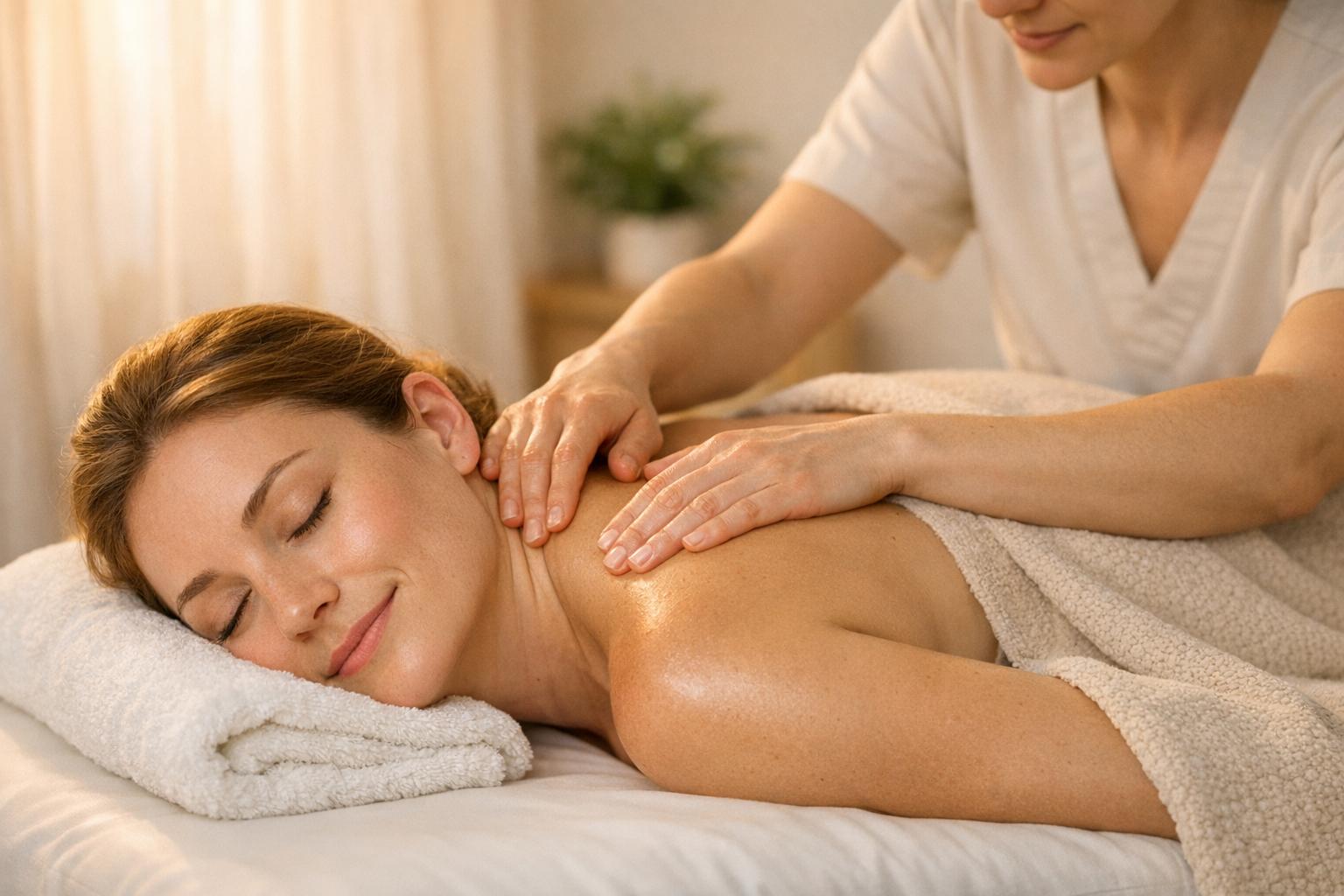
Prenatal massage can help with pregnancy discomforts like back pain, swelling, and stress. It's generally safe after the first trimester for low-risk pregnancies when performed by a trained therapist. Key points to know:
- Safety: Avoids deep pressure on legs and certain pressure points; uses side-lying positions with supportive pillows.
- When to Start: Best from the second trimester onwards; often avoided in the first trimester due to higher miscarriage risk.
- Benefits: Reduces stress hormones, improves mood, eases muscle tension, and may support better labour outcomes.
- Precautions: Not suitable for high-risk pregnancies or conditions like preeclampsia and placenta praevia.
- Finding a Therapist: Choose someone with specific prenatal massage training and professional liability insurance.
Always consult your GP or midwife before booking a session, especially if you have complications or a high-risk pregnancy.
Precautions/Contraindications to Pregnancy Massage. Presenter: Cindy McNeely
sbb-itb-abe02fa
Is Prenatal Massage Safe?
For most low-risk pregnancies, prenatal massage is considered safe after the first trimester. However, the key lies in working with a therapist who has specialised training in prenatal techniques. These professionals are knowledgeable about the physical and hormonal changes during pregnancy - like increased blood volume and the effects of relaxin - and adapt their approach accordingly. For example, they use side-lying positioning to avoid compressing the inferior vena cava, a major blood vessel. Compression of this vein, especially after 20 weeks, can reduce blood flow to the placenta and affect blood pressure. Additionally, they avoid deep tissue techniques on the legs due to the risk of dislodging a deep vein thrombosis (DVT), opting instead for light to medium pressure throughout the session. These adjustments ensure that prenatal massage is distinct from regular massage therapy.
"A prenatal massage is generally going to use very light pressure - no more than firm to medium pressure." – DeBorah Hill, RN, LMT, Cleveland Clinic
Experts also suggest choosing a therapist with at least 16 hours of advanced training in maternal massage. This level of training equips them to identify potential risks and tailor their techniques to suit the needs of a pregnant body. Before scheduling a session, it’s always a good idea to check with your GP, midwife, or obstetrician, especially if your pregnancy involves any complications.
Safety Precautions During Pregnancy
Qualified therapists follow strict protocols to prioritise safety. Proper positioning is essential, with side-lying supported by pillows being the standard option. Lying flat on your back is avoided to prevent discomfort and circulation issues. Massage tables with belly cutouts that leave the abdomen unsupported are also discouraged, as they can stretch uterine ligaments uncomfortably.
Certain areas and methods are avoided entirely. Deep abdominal massage is off-limits, and firm pressure on the legs is avoided to reduce the risk of blood clots. Some therapists also avoid specific acupressure points on the ankles and wrists that are sometimes linked to the onset of labour. If at any point during the session you feel dizzy, short of breath, or uncomfortable, let your therapist know immediately.
When to Avoid Prenatal Massage
While prenatal massage is generally safe with the right precautions, there are situations where it’s best to avoid it altogether. Some therapists won’t offer massages during the first 12 weeks of pregnancy, as this is the period with the highest miscarriage risk.
"Limiting or avoiding massage during early pregnancy when miscarriage rates are highest is considered the safest route." – DeBorah Hill, RN, LMT, Cleveland Clinic
The following table highlights conditions where prenatal massage may not be suitable:
| Condition | Why Massage May Be Avoided |
|---|---|
| Preeclampsia | Risk of worsening high blood pressure and organ strain |
| Placenta Praevia | Potential for complications related to placental placement |
| High-Risk Pregnancy | General caution to avoid preterm labour |
| Gestational Diabetes | Medical clearance needed due to potential complications |
| History of Preterm Labour | Risk of stimulating contractions or labour |
| Severe Swelling/Headaches | Could indicate preeclampsia or other serious issues |
If you have any of these conditions - or if you’ve been diagnosed with a blood clot (DVT), have significant varicose veins, or experience sudden facial swelling - speak with your healthcare provider before booking a massage. Your health and your baby’s safety should always take precedence.
When Should You Get a Prenatal Massage?
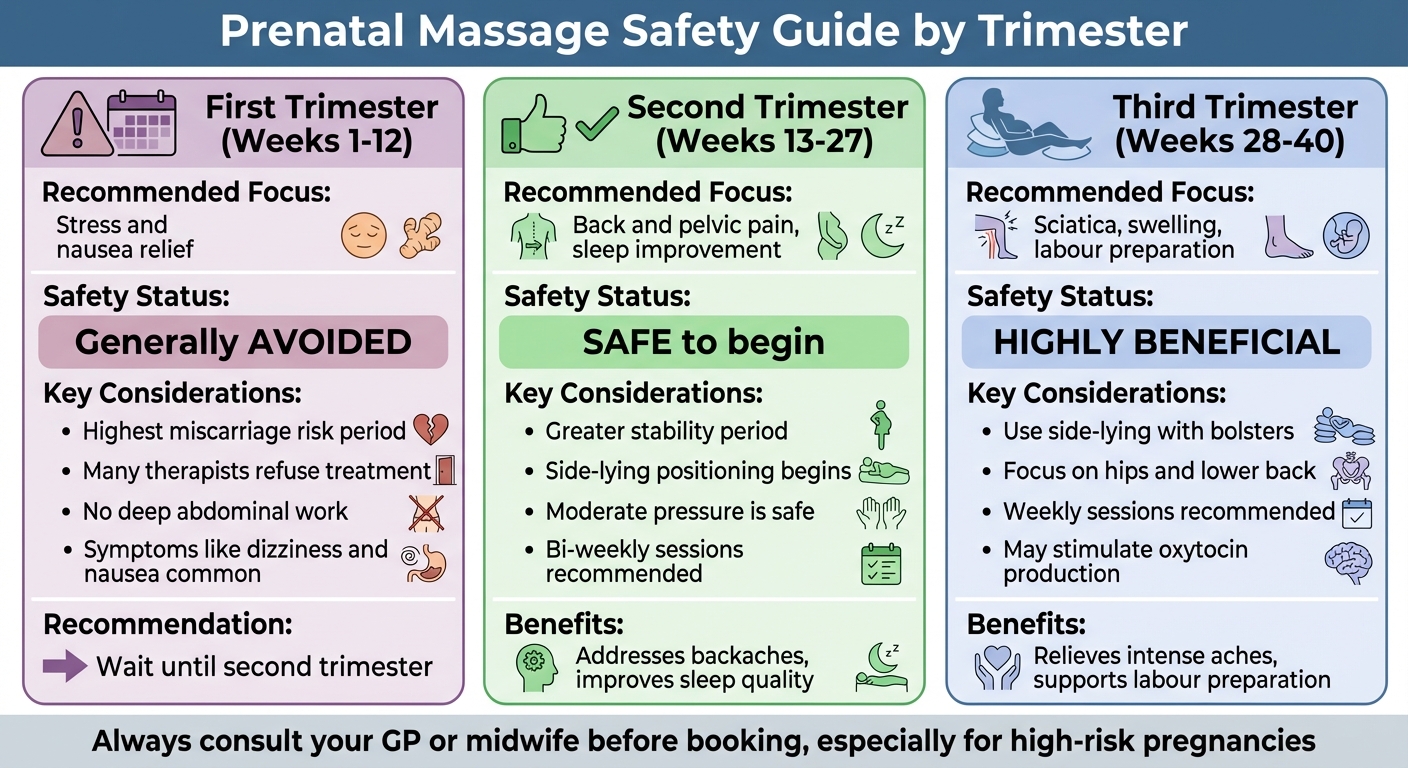
Prenatal Massage Safety Guide by Trimester
Timing plays a crucial role when it comes to prenatal massage. Experts recommend waiting until the second trimester (around 12 weeks) before booking your first session. From this point, prenatal massages are generally safe for pregnancies deemed low-risk. The second trimester is a particularly good time to start, as it offers greater stability, while the third trimester focuses on easing the increased discomfort that often arises later in pregnancy.
Why the First Trimester Is Usually Avoided
The first trimester, or the first 12 weeks of pregnancy, is typically avoided for prenatal massages. The reason? This period carries a naturally higher rate of miscarriage, and many therapists and spas prefer to err on the side of caution. As Evelyn Kummer, a Sports Massage Therapist at Ten Health & Fitness, explains:
"Some establishments will refuse to offer massage to a woman who is still in her first trimester because they wish to avoid any liability due to the increased risk of miscarriage during the first 12 weeks of pregnancy".
Apart from safety concerns, early pregnancy symptoms like dizziness and nausea can make massage less enjoyable during this stage.
Best Times for Massage During Pregnancy
Once you step into the second trimester, the benefits of prenatal massage become more apparent. This period is ideal for addressing backaches, pelvic discomfort, and improving sleep quality as energy levels stabilise. Bi-weekly sessions are often recommended during the second trimester, while weekly sessions may be more beneficial in the later stages of the third trimester when discomfort tends to peak.
For those on a tight budget, experts suggest saving your session for the mid-to-late third trimester. At this point, massage can significantly relieve intense aches and pains, and it may even help stimulate oxytocin production. This hormone not only aids labour contractions but also supports emotional bonding with your baby.
| Trimester | Recommended Focus | Safety Considerations |
|---|---|---|
| First | Stress and nausea relief | Avoided due to miscarriage risk; no deep abdominal work |
| Second | Back and pelvic pain, sleep improvement | Side-lying positioning begins; moderate pressure is safe |
| Third | Sciatica, swelling, labour preparation | Use side-lying with bolsters; focus on hips and lower back |
What to Expect During a Prenatal Massage
Now that we've covered safety and timing, let's dive into what happens during a prenatal massage. Before the session starts, there’s usually a detailed consultation. Your therapist will discuss your medical history and any symptoms you're experiencing, such as lower back pain or sciatica. They'll also ask about the duration and intensity of your discomfort, as well as your range of motion, to create a treatment plan tailored to your needs. You’ll likely need to sign a health waiver before the massage begins. Once that’s done, the focus shifts to the techniques and adjustments designed to make you as comfortable as possible.
Massage Techniques and Body Positioning
To ensure safety and comfort, the typical position for a prenatal massage is side-lying - usually on your left side, which promotes better blood flow for both you and your baby. Pillows, bolsters, or foam cushions are used to support your body. These are placed between your knees to keep your hips aligned, under your belly to ease ligament strain, and beneath your head or arms for added comfort. While some facilities use massage tables with an abdominal cut-out, many therapists prefer the side-lying position to avoid any unnecessary stretching of the uterine ligaments.
The massage itself usually involves gentle Swedish techniques. Expect light to medium pressure with smooth, flowing movements like stroking and circular rubbing. Deep tissue methods are avoided, especially on the legs, to reduce the risk of blood clots.
Session Length and Comfort
Prenatal massage sessions typically last anywhere from 15 to 60 minutes, with 60 minutes being the most common duration. In the UK, you can expect to pay between £45 and £75, depending on the location and the facility. Throughout the session, you’ll remain draped with sheets or blankets to maintain warmth and privacy, with only the area being worked on uncovered.
Communication is crucial during the massage. Let your therapist know right away if the pressure feels too strong, if you feel dizzy or nauseous, or if you need to adjust your position. If you need a toilet break, don’t hesitate to ask - an overly full bladder can make it hard to relax. After the session, drinking plenty of water can help flush out toxins and may reduce the likelihood of post-massage headaches.
Benefits of Prenatal Massage
Prenatal massage offers tangible advantages for both physical and mental well-being. From easing everyday pregnancy discomforts to potentially influencing labour outcomes, it’s clear why so many expectant mothers incorporate it into their prenatal care routines. These benefits align with the safety and comfort measures discussed earlier.
Physical Benefits
Pregnancy brings noticeable changes to posture and balance, often causing muscle tension and discomfort in areas like the lower back, hips, neck, shoulders, and legs. Prenatal massage directly targets these problem areas, easing muscle tension and relieving cramps. It also enhances blood circulation, which can help reduce swelling (oedema) in the hands, feet, and ankles - issues many women face, especially in the later stages of pregnancy.
Another key benefit is relief from sciatic nerve pain. As the uterus expands, it can press on the pelvic floor and lower back muscles, which may compress the sciatic nerve. Massage helps release this tension, offering significant pain relief. Research even suggests that regular massage sessions may be linked to shorter labour times, higher newborn birth weights, and a reduced risk of preterm delivery. Additionally, studies show that women receiving bi-weekly massages over five weeks experience a drop in stress hormones like cortisol and norepinephrine, while mood-enhancing hormones such as dopamine and serotonin increase. These hormonal shifts not only alleviate discomfort but may also contribute to a smoother labour.
"Swedish Massage is the recommended massage method during pregnancy because it addresses many common discomforts associated with the skeletal and circulatory changes brought on by hormone shifts." - American Pregnancy Association
Emotional and Mental Benefits
Beyond physical relief, prenatal massage offers emotional support, which is particularly valuable during a time when many women face heightened emotional challenges. Approximately 20% of pregnant women experience significant anxiety or depression. Massage helps by regulating hormones, reducing stress levels, and boosting mood-regulating chemicals. This can ease symptoms of anxiety and depression while also improving sleep quality.
Massage sessions also encourage mindfulness. As midwife and consultant Christine Lane explains:
"Spending time totally focused on you is an act of mindfulness in itself, helping you get out of your head and connect with your body"
This focus on the mind-body connection can be incredibly grounding during a period of profound life changes. Additionally, massage may increase oxytocin levels, which can enhance mood, strengthen bonding, and even support labour efficiency.
How to Find a Qualified Prenatal Massage Therapist
Locating a therapist with the right prenatal expertise takes more than a quick online search. Standard massage qualifications don’t typically cover the specialised knowledge needed to safely work with pregnant clients. It’s essential to find someone who understands the physical changes of pregnancy and can adapt their techniques accordingly.
Using Online Directories
Professional directories are a great place to begin your search. The Federation of Holistic Therapists (FHT), the largest professional association for therapists in the UK and Ireland, provides a searchable directory of certified practitioners who follow a nationally recognised code of conduct. Similarly, the Complementary and Natural Healthcare Council (CNHC) Register, an independent UK regulator approved by the Professional Standards Authority, allows you to search for practitioners by profession and postcode. Another helpful platform is Find a Massage Therapist, which connects you to local specialists based on your location and specific needs.
When browsing these directories, focus on therapists with prenatal massage training. Double-check their qualifications to ensure they have the necessary expertise for working with pregnant clients. Once you’ve narrowed down your options, verify their credentials before reaching out.
Checking Therapist Credentials
Before booking an appointment, ask the therapist about their additional prenatal training beyond standard certifications. According to HiPP:
"Look for a therapist who has the specific prenatal massage certifications that qualify them to undertake pregnancy massages."
It’s also important to confirm that the therapist carries professional liability insurance specifically covering prenatal massage. In the UK, reputable practitioners often use insurers like Holistic Insurance Services or Balens Insurance. A qualified therapist will have no issue sharing these details with you.
Additionally, they should have a clear understanding of contraindications. For example, conditions like pre-eclampsia or gestational diabetes may require a referral to a midwife or GP instead of massage therapy. If your pregnancy is considered high-risk, always consult your midwife or GP for approval before booking a session.
Conclusion
Understanding the safety, timing, and techniques of prenatal massage can make a real difference for expectant mothers. When performed by a properly trained therapist, prenatal massage can help address both the physical and emotional challenges of pregnancy. Regular sessions may alleviate back pain, reduce swelling, lower stress hormones, and potentially contribute to better birth outcomes. As DeBorah Hill, RN, LMT at Cleveland Clinic, explains:
"Prenatal massage can help you feel your best".
Prioritising safety is key. Always consult your midwife or GP before scheduling a session, particularly if you have conditions like pre-eclampsia or gestational diabetes. Many experts recommend starting prenatal massage in the second trimester when the risk of miscarriage is lower.
Equally important is selecting a qualified therapist. Choose carefully. Look for someone with recognised prenatal massage certification, professional liability insurance for pregnancy-related work, and a solid understanding of contraindications. Trusted directories like Find a Massage Therapist can help you locate certified professionals in your area.
Pregnancy can bring its share of uncertainties, but with the right therapist and proper precautions, prenatal massage offers a safe and effective way to ease discomfort and support your health during this special time. Do your research, ask the right questions, and always follow medical advice.