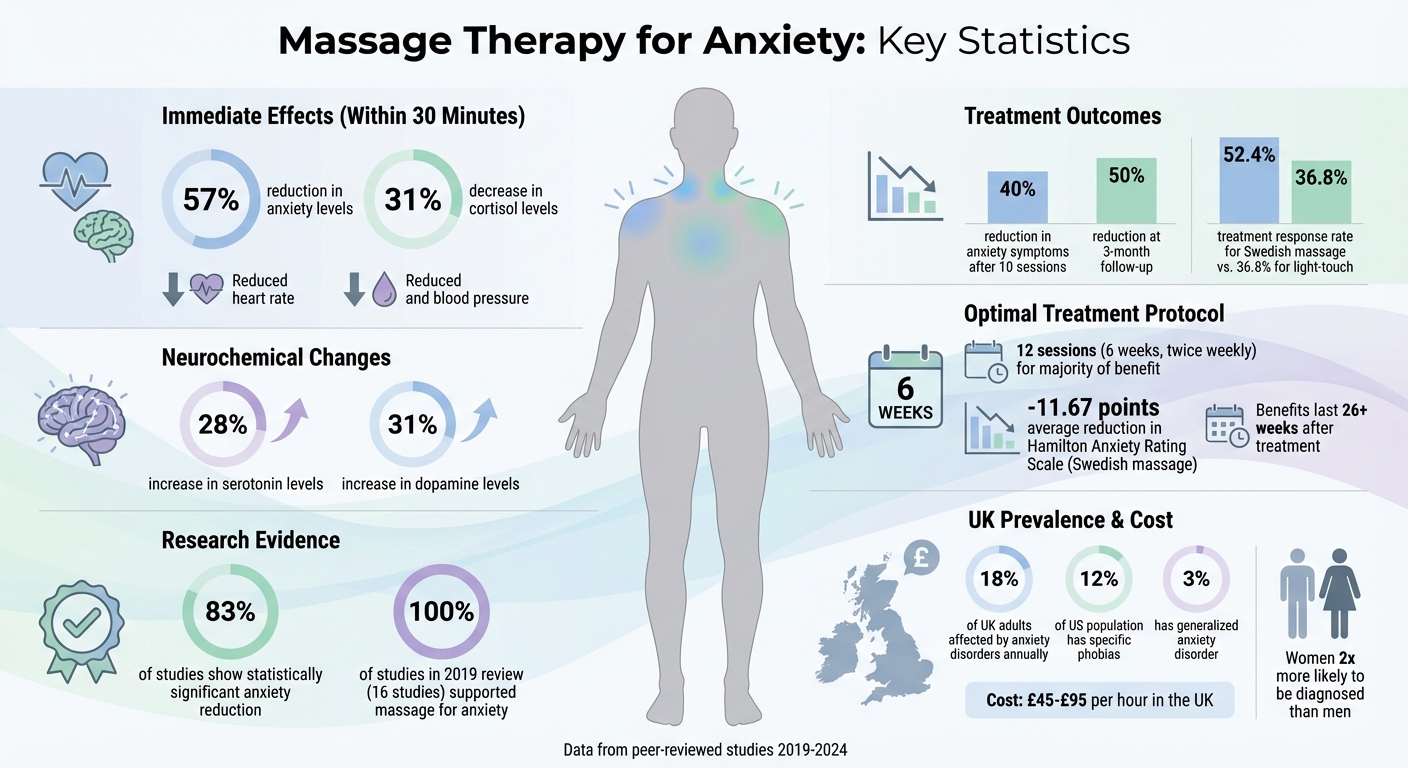
Massage therapy can help reduce anxiety symptoms by addressing both physical and mental stress. It lowers cortisol levels, eases muscle tension, and promotes relaxation by activating the parasympathetic nervous system. Research shows anxiety levels can drop by up to 57% after therapeutic massage, with noticeable effects within 30 minutes.
Key Benefits of Massage for Anxiety:
- Immediate Relief: Reduces heart rate, blood pressure, and stress hormones.
- Improved Mood: Increases serotonin (28%) and dopamine (31%) levels.
- Better Sleep: Relaxes muscles and helps regulate sleep patterns.
- Long-Term Effects: Regular sessions (e.g., twice-weekly for six weeks) can lead to lasting improvements.
Popular Massage Techniques for Anxiety:
- Swedish Massage: Effective for general relaxation.
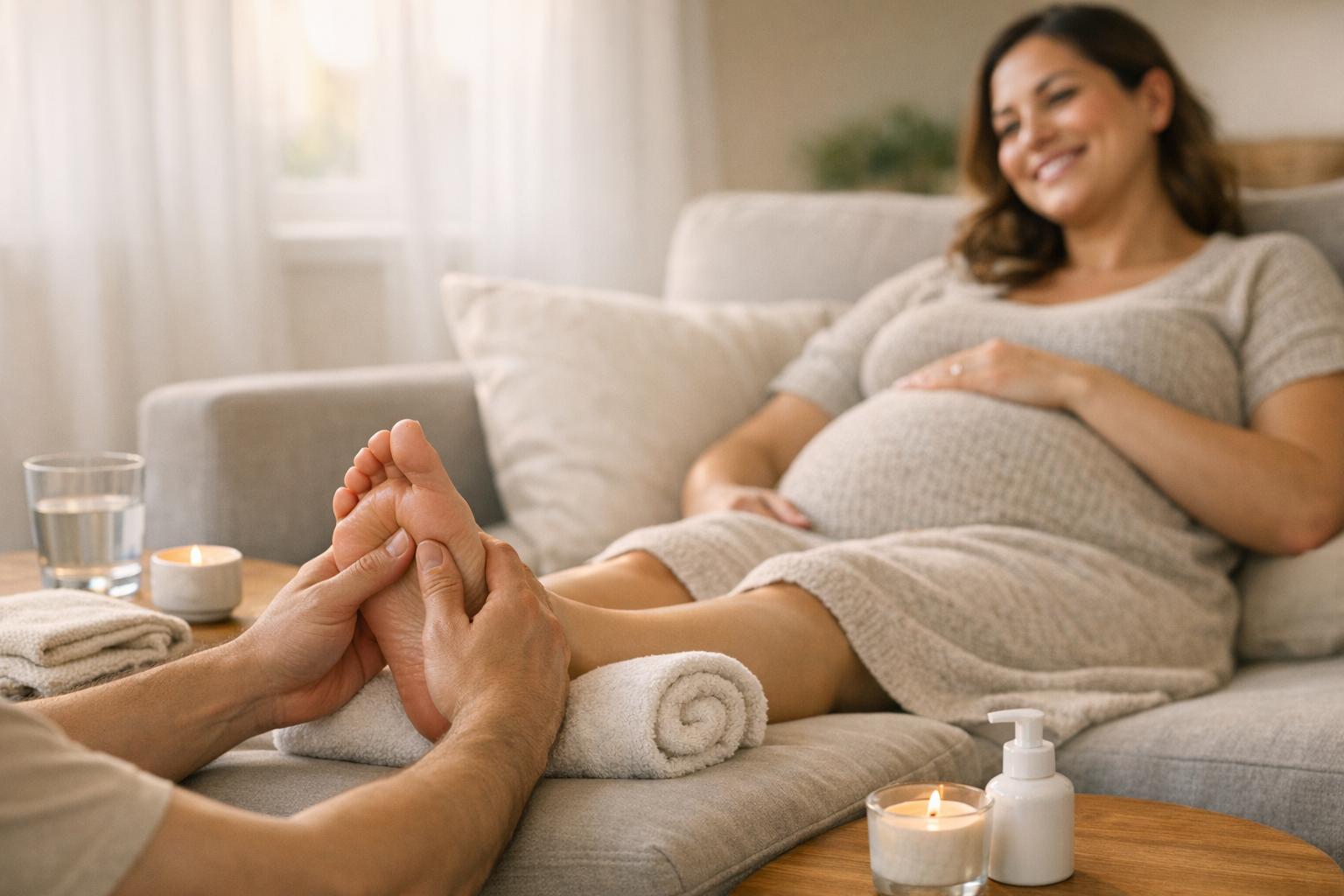
- Foot Reflexology: Helps with acute anxiety and physical discomfort.
- Aromatherapy Massage: Combines touch with calming essential oils like lavender.
- Acupressure: Targets specific points to reduce stress.
Finding a Therapist:
Look for qualified practitioners registered with the Complementary and Natural Healthcare Council (CNHC). Costs in the UK typically range from £45 to £95 per hour, with discounts often available for regular bookings. Platforms like Find a Massage Therapist make it easy to locate specialists near you.
Massage therapy is a simple, evidence-based way to complement your anxiety management plan and improve both physical and emotional well-being.
Massage Therapy Benefits for Anxiety: Key Statistics and Outcomes
How Anxiety Works and How Massage Helps
What Anxiety Does to Your Body
Anxiety puts your body into a "high alert" mode, impacting both your mind and physical state. The Cleveland Clinic defines anxiety disorders as "mental health conditions that cause fear, dread and other symptoms that are out of proportion to the situation". When anxiety strikes, it often comes with a racing heartbeat, overwhelming thoughts, and muscle tension - particularly in areas like the neck, shoulders, and back.
Physically, anxiety can show up as tight muscles, heart palpitations, rapid breathing, sweating, dry mouth, nausea, or even tingling in your hands and feet. On the emotional side, it can bring constant panic, irritability, obsessive thinking, and trouble focusing. Statistically, women are about twice as likely as men to be diagnosed with anxiety disorders. Specific phobias affect up to 12% of people in the U.S., while about 3% experience generalised anxiety disorder (GAD).
Chronic anxiety also keeps cortisol levels high, which can disrupt sleep and slow down recovery. These ongoing effects make it clear why finding ways to rebalance the body and mind is so important.
How Massage Therapy Reduces Stress and Anxiety
Massage therapy provides a practical way to counter anxiety's effects, helping to calm both the body and mind. By stimulating the parasympathetic nervous system, massage encourages deep relaxation. This response slows your heart rate, lowers blood pressure, and promotes more even breathing, sending signals of safety to your brain. As Amy Marsolek, a massage therapist at Mayo Clinic Health System, explains: "A one-hour massage lowers cortisol in your body while also releasing serotonin".
Massage also directly relieves muscle tension, helping the nervous system shift away from its constant "fight or flight" mode. Studies suggest that moderate pressure massages are particularly effective, not only for easing pain but also for boosting the immune system by increasing natural killer cell activity. If you find the pressure too intense, you can always ask for a gentler touch.
The benefits of massage go beyond immediate relief. Functional brain imaging has shown that massage can influence areas like the amygdala and hypothalamus, which are central to managing emotions and stress. This helps correct hormonal imbalances, relax muscles, and improve sleep patterns. Better sleep leaves you feeling more energised and supports long-term recovery from anxiety.
sbb-itb-abe02fa
Research Evidence on Massage Therapy for Anxiety
What Studies Show About Massage and Anxiety
Scientific studies strongly indicate that massage therapy can help reduce anxiety. For instance, a 2024 systematic review revealed that 83% of studies focusing on massage therapy reported a statistically significant drop in anxiety levels. Even more striking, a 2019 review of 16 studies found that every single one of them supported massage therapy as an effective approach to easing anxiety.
Clinical trials have also used the Hamilton Anxiety Rating Scale (HARS) - a trusted tool in anxiety research - to measure outcomes. One trial involving 68 participants with Generalised Anxiety Disorder (GAD) compared three approaches: 10 one-hour massage sessions, thermotherapy, and simply relaxing in a controlled room environment. All groups showed notable reductions in HARS scores (ranging from −10.0 to −13.0) by the 12-week mark, and these improvements held steady at 26 weeks.
Another study focused on 47 GAD patients found that six weeks of twice-weekly Swedish massage reduced HARS scores by an average of 11.67 points. This was significantly better than the light-touch control group, which saw a reduction of 8.41 points. Additionally, research on fibromyalgia patients revealed that anxiety improvements achieved through a 20-week massage programme lasted for at least a month after the treatment ended.
"A pattern emerged, wherein individuals receiving manual therapy interventions displayed a statistically significant reduction in anxiety intensity. Considering the positive results, manual therapy should be considered an effective strategy for anxiety management." – Kayla L. West and Teodor Huzij, Journal of Osteopathic Medicine
These findings highlight the effectiveness of massage therapy in managing anxiety, setting the stage for deeper insights into how long these benefits last, discussed in the next section.
Short-Term Relief vs. Long-Term Benefits
One important aspect of massage therapy is understanding its immediate effects versus its long-term impact on anxiety. While many patients report feeling less anxious after just one session, the most meaningful changes often come with regular, consistent treatments.
Research suggests that the majority of anxiety relief happens within the first 12 sessions (typically over six weeks with twice-weekly treatments). Beyond that, additional sessions offer smaller improvements. For example, one study found that the first 12 sessions reduced HAM-A scores by −9.91 points, while the next 12 sessions added only a further −3.09-point reduction.
The encouraging news? These benefits tend to last. A 12-week massage therapy programme has been shown to deliver anxiety relief that persists for at least 26 weeks. In one randomised trial involving GAD patients, 10 massage sessions led to a 40% reduction in anxiety symptoms by the end of treatment, with that figure climbing to 50% three months later. This level of improvement is comparable to what’s been observed with psychotherapy, medication, or a combination of both.
"These preliminary findings suggest that the majority of benefit in symptom reduction occurs in the first six weeks and that six weeks of twice-weekly SMT may be sufficient for the majority of patients." – Complementary Therapies in Medicine
NWHSU Bloomington Clinic: How massage therapy can help depression and anxiety
Which Massage Types Work Best for Anxiety?
Research shows that different massage techniques can provide unique benefits when it comes to easing anxiety. Let’s explore some of the most effective methods and how they target anxiety symptoms.
Common Massage Techniques for Anxiety Relief
Swedish Massage Therapy (SMT) is one of the most well-supported techniques for anxiety relief. It uses three main methods: long, flowing strokes (effleurage), kneading (petrissage), and rhythmic tapping (tapotement). Studies have shown that this approach significantly reduces anxiety, with treatment response rates of 52.4% compared to 36.8% for lighter-touch methods. Its ability to promote relaxation makes it a popular choice.
Foot reflexology can be particularly helpful for acute anxiety. A review of five studies found that this technique consistently produced positive results, especially in burn patients dealing with anxiety caused by pain.
Acupressure focuses on stimulating specific points to activate a calming parasympathetic response. A 2020 study involving 120 Iranian soldiers revealed that applying pressure to the P6 and LI4 points led to noticeable reductions in anxiety scores (LI4: from 53.37 to 45.47; P6: from 53.35 to 49.02). This targeted method offers a precise way to address anxiety.
Craniosacral therapy takes a gentler approach, working on the flow of cerebrospinal fluid to help release emotional trauma. In one 2023 case study, a 25-year-old woman with PTSD experienced a drop in her Generalised Anxiety Disorder (GAD-7) score from 19 (severe) to 11 (moderate) after six sessions.
Aromatherapy massage combines touch with essential oils like lavender, chamomile, and rosemary to calm the mind. This method has been particularly effective for reducing anxiety in older adults. Additionally, myofascial release and neuromuscular therapy focus on easing physical tension, such as muscle tightness and trigger points.
Choosing the Right Massage for Your Needs
The best massage for you will depend on your specific symptoms. If you’re looking for general relaxation or emotional balance, Swedish massage or craniosacral therapy might work well. For physical discomfort like muscle knots, techniques like neuromuscular or myofascial therapy can help.
Pressure sensitivity is another factor to keep in mind. If you’re sensitive to deep pressure or have a history of trauma, gentle options like Swedish massage are safer. Trauma-informed therapists can also provide a supportive environment, as deeper techniques may sometimes trigger unexpected emotional reactions.
For those struggling with sleep-related anxiety, aromatherapy massages using lavender can be particularly soothing. Targeted therapeutic massages can also relieve stress-induced tension in areas like the neck and shoulders. Swedish massage, in particular, has been shown to be effective as a standalone treatment for Generalised Anxiety Disorder, with noticeable improvements by the third week of therapy.
Talking openly with your therapist about your comfort levels and any emotional responses is key. This ensures a safe and effective experience tailored to your needs.
If you’re based in the UK, you can use Find a Massage Therapist to connect with qualified professionals who can address your specific concerns.
"Massage does not just feel good - it changes the way the brain and body communicate." – Cynthia Price, PhD, University of Washington School of Nursing
Finding a Massage Therapist in the UK
What to Look for When Choosing a Therapist
Choosing the right massage therapist to aid in anxiety recovery involves careful consideration of their qualifications and expertise. Start by checking if they are registered with the Complementary and Natural Healthcare Council (CNHC). This organisation maintains a register of qualified practitioners across the UK. For anxiety-related concerns, look for therapists trained in areas such as anxiety disorders, stress physiology, and trauma-informed care. These specialisations help ensure they understand how touch can support emotional healing while reducing risks like dissociation. This aligns with research highlighting the benefits of advanced massage techniques for managing anxiety.
Clinical experience is another important factor. Don’t hesitate to ask therapists about their experience in treating anxiety symptoms and whether they collaborate with other mental health professionals if needed. Typical session costs range from £45 to £85 per hour, with therapists specialising in mental health charging slightly more - usually £55 to £95 per hour. Many offer discounts of 10–20% for regular monthly bookings, so it’s worth clarifying these details during your initial consultation.
Speaking of consultations, they provide an opportunity to discuss your specific concerns and ensure the therapist can customise their approach. Techniques like Swedish massage or aromatherapy may be particularly helpful, depending on your needs. Additionally, some NHS areas now include massage therapy in their social prescribing initiatives, so it’s a good idea to check with your GP about local options.
How Find a Massage Therapist Helps You Find Local Practitioners
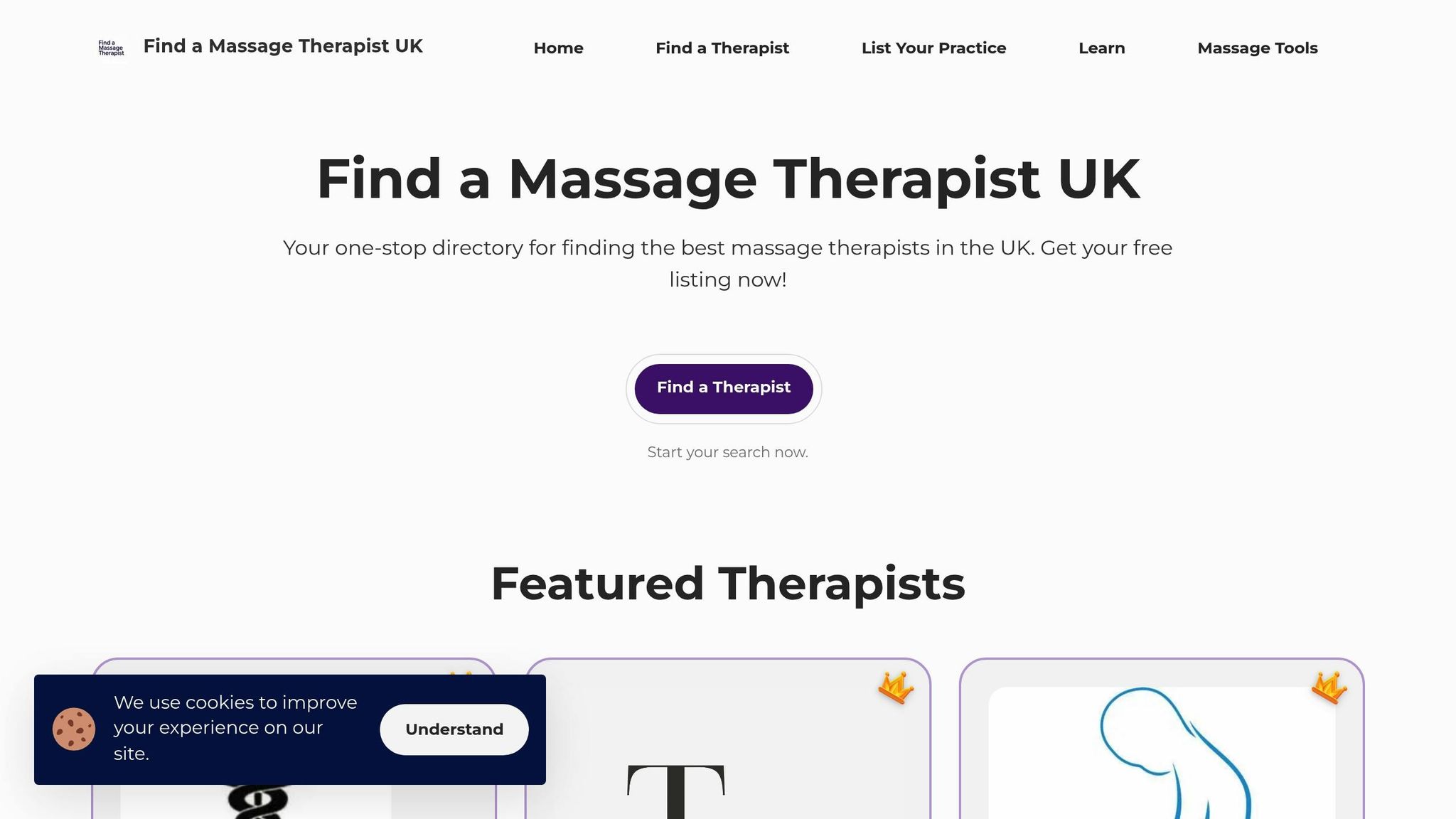
A dedicated platform can make your search much easier. Find a Massage Therapist is a resource where you can enter your postcode to discover practitioners specialising in anxiety and stress relief. The platform allows you to compare therapists based on their qualifications, such as trauma-informed care training and knowledge of anxiety recovery. It also highlights practitioners registered with professional bodies like the CNHC. With options for both male and female therapists, you can choose someone who aligns with your comfort and safety preferences. This postcode-based tool simplifies the process, saving you time and making it easier to book with confidence.
Selecting a qualified therapist is an essential step in using massage therapy to support long-term anxiety recovery.
Conclusion
The research speaks for itself: massage therapy offers both immediate relief and lasting support for managing anxiety. Within just 30 minutes, it can reduce heart rate, blood pressure, and cortisol levels by approximately 31%. Over time, regular massage sessions not only build emotional resilience but also help alleviate persistent anxiety symptoms, showing results comparable to psychotherapy. Studies consistently highlight its effectiveness, demonstrating greater anxiety relief than many alternative methods, while also increasing serotonin and dopamine levels.
Massage therapy is most effective when combined with a broader anxiety management plan. This might include professional mental health care, mindfulness practices, and healthy lifestyle choices. While it’s not a replacement for clinical treatment, it’s an excellent way to address physical symptoms of anxiety, such as muscle tension, sleep disturbances, and chronic stress.
Consistency is key to maintaining these benefits. Weekly sessions, gradually transitioning to bi-weekly or monthly visits, can support long-term recovery. For instance, a study on Generalised Anxiety Disorder found significant improvements after just three weeks of regular Swedish massage.
Finding the right support is easier than ever. Platforms like Find a Massage Therapist allow you to search for qualified professionals in your area by simply entering your postcode. You can compare practitioners based on their expertise in areas like trauma-informed care and their registration with professional bodies such as the CNHC. Whether you prefer visiting a wellness centre or arranging mobile therapy at home, these tools make it simple to take the next step toward relief.
Anxiety recovery can feel overwhelming, but massage therapy provides a gentle, evidence-backed way to support both your body and mind. With anxiety disorders affecting over 18% of UK adults each year, having accessible and effective options is crucial.
FAQs
Is massage therapy safe if I have panic attacks?
Massage therapy can be a calming option for individuals experiencing panic attacks, provided it is conducted by a trained professional who adapts the approach to the individual's comfort level. Before starting, it's wise to consult with a healthcare provider to confirm that this therapy aligns with your personal needs and situation.
How often should I book massages to help anxiety?
Regular massages are often suggested as a way to support anxiety recovery, with weekly or bi-weekly sessions being common recommendations. Studies indicate that committing to a course lasting 6 to 12 weeks can lead to a noticeable reduction in anxiety symptoms. Sticking to a consistent schedule ensures you get the most out of the therapy over time.
What should I tell a therapist before my first session?
When discussing your anxiety symptoms with a therapist, try to share as much detail as you can. Explain how anxiety affects your daily life - whether it's persistent worry, physical symptoms like a racing heart, or difficulty sleeping. If you've had any past mental health treatments, mention what they were, how they helped (or didn’t), and any preferences you might have for future care.
It's also helpful to be clear about what you want to achieve from therapy. Are you hoping to manage stress better, improve your relationships, or reduce the impact of anxiety on your work or personal life? Being open about your goals allows the therapist to tailor the sessions to meet your needs more effectively.