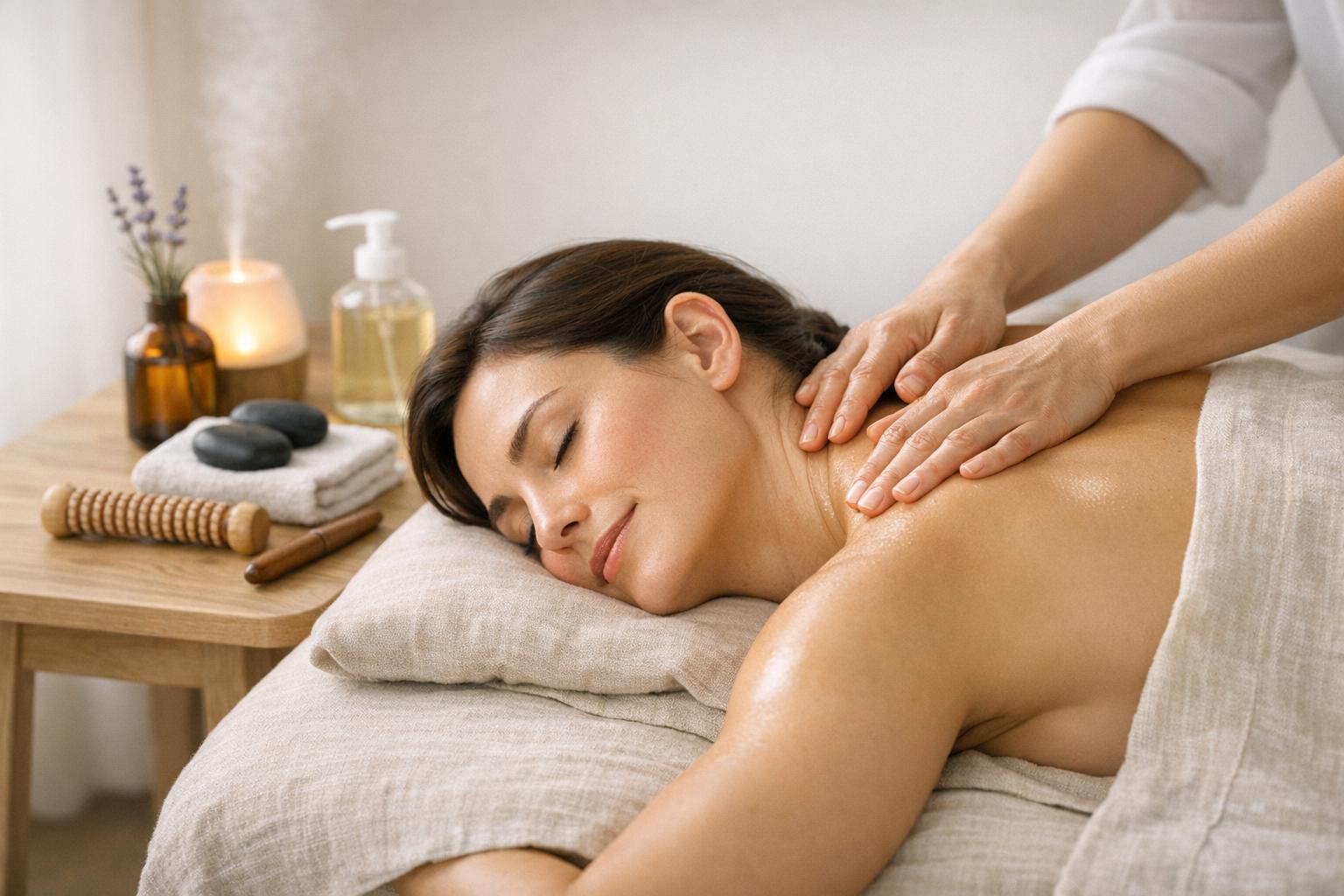
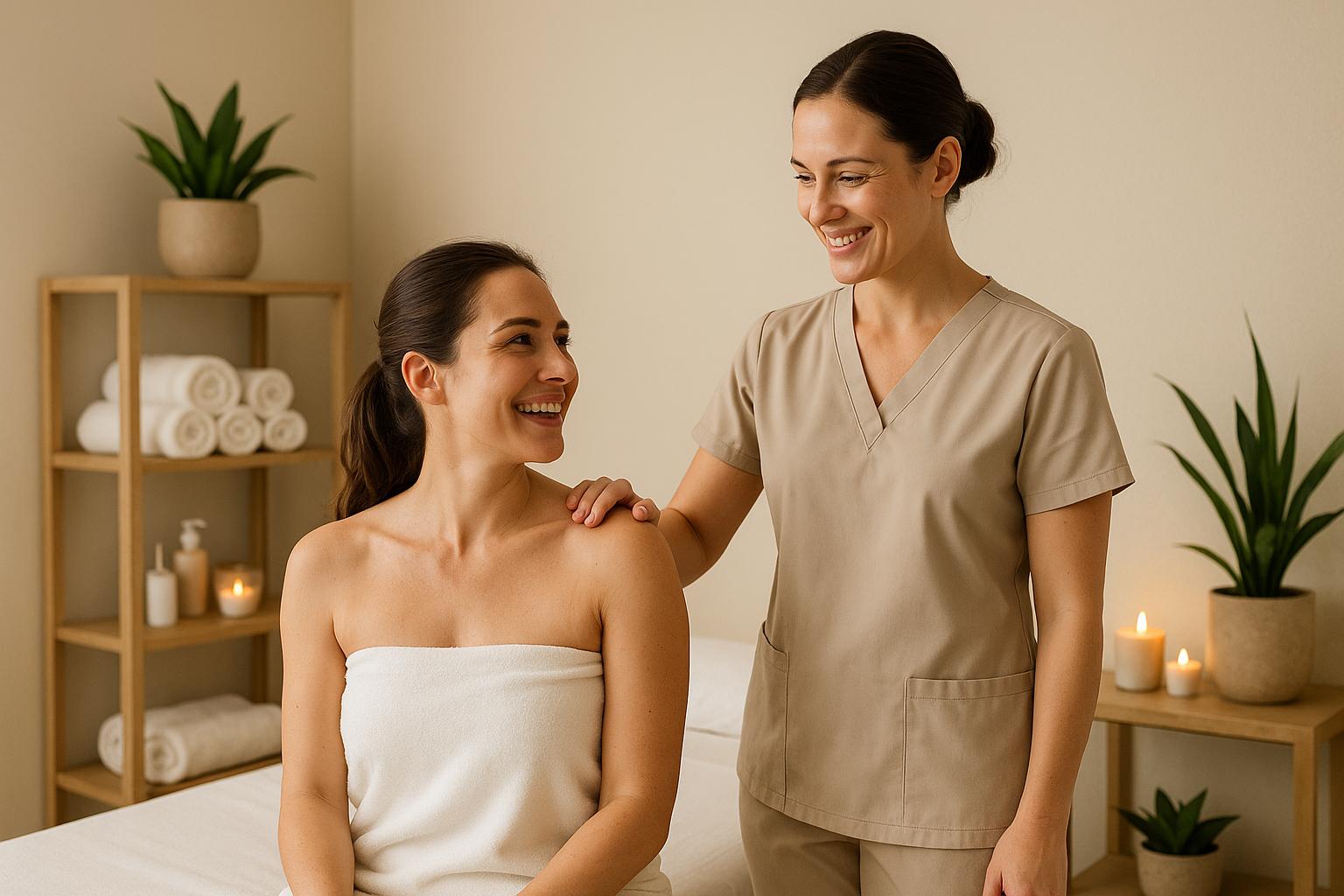
Stress is a major issue for 74% of UK adults, often leading to physical and mental health problems like tension, poor sleep, and anxiety. Massage therapy offers a proven way to manage stress by reducing cortisol levels, relaxing muscles, and improving emotional balance. Techniques like Swedish, Aromatherapy, Deep Tissue, and Hot Stone massages cater to different needs, from general relaxation to targeting chronic tension. Regular sessions, starting at around £50, can help maintain well-being, provided you choose a qualified therapist. Here's how massage works, its benefits, and tips for making it part of your routine.
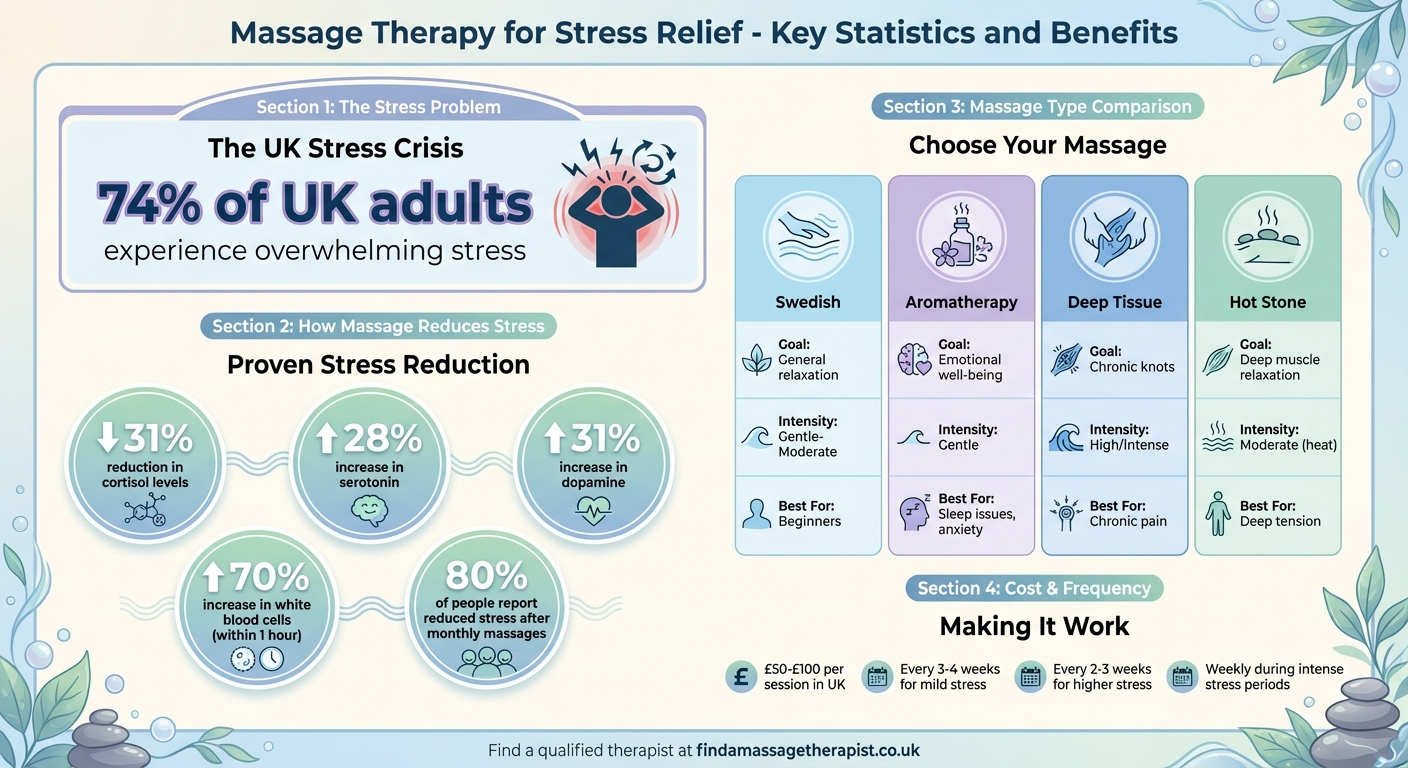
Massage Therapy for Stress Relief: Key Statistics and Benefits
Understanding Stress and How Massage Therapy Helps
How Stress Affects Your Body and Mind
Stress is your body’s natural reaction to situations that feel overwhelming or threatening. When faced with stress, your body activates its "fight or flight" response - a survival mechanism that prepares you to either confront or escape danger.
However, when stress becomes a constant in your life, your body can get stuck in this heightened state of alertness, known as sympathetic activation. Instead of switching back to the parasympathetic state - the "rest and repair" mode essential for recovery - your body remains on high alert. This ongoing stress can lead to muscle tension, headaches, fatigue, and trouble sleeping. It also raises levels of cortisol and norepinephrine, which are linked to mood swings, anxiety, and even depression. Physically, you might notice signs like a faster heart rate, shallow breathing, and high blood pressure - clear indicators of your body struggling to cope.
Recognising these effects is key to understanding how massage therapy can help counteract the toll stress takes on both your body and mind.
The Science Behind Massage and Stress Reduction
Massage therapy works by targeting the physical and emotional imbalances caused by stress. By stimulating the skin - your body’s largest sensory organ - massage sends signals to the brain that help calm the nervous system. This process lowers heart rate and blood pressure while releasing endorphins, your body’s natural feel-good chemicals. Additionally, the friction from massage improves blood flow, increasing oxygen delivery to tight muscles and helping them relax.
One of the most powerful effects of massage is its ability to engage the vagus nerve. This nerve plays a crucial role in shifting your body from "fight or flight" to "rest and digest", enabling recovery. Research shows that massage can reduce cortisol levels by an average of 31% while boosting serotonin by 28% and dopamine by 31% - a hormonal shift that promotes relaxation and emotional balance.
In fact, a 2018 study led by Professor Fulvio D'Acquisto at the University of Roehampton, in collaboration with Bodyology massage school, found that massage could increase white blood cell counts by up to 70% within just one hour, giving your immune system a noticeable boost. Even brief ten-minute sessions have been shown to improve heart rate variability (HRV), a key marker of stress recovery.
"Massage therapy helps shift the body from this stressed, sympathetic state to a more relaxed, parasympathetic state, which is essential for recovery and health maintenance." – James Cope-Brown, Founder, Floatwell
Benefits of Massage for Stress Relief
Physical Benefits
Massage therapy works wonders for easing physical tension, particularly in the neck, shoulders, and back. It helps relieve pain and improve mobility by loosening tight muscles and breaking down knots, which are often a physical sign of chronic stress. By increasing tissue elasticity, massage makes movement smoother and less painful.
Another key benefit is improved circulation. Deep massage strokes help widen blood vessels, which boosts the flow of oxygen and nutrients to your muscles while flushing out metabolic waste. This process not only aids in recovery from stress-related muscle strain but also promotes overall physical health.
Massage also activates the parasympathetic nervous system, which is responsible for calming the body. This can lower your heart rate and blood pressure, reducing the cardiovascular strain caused by stress. If you suffer from tension headaches, techniques like trigger point therapy can target and soften the knots responsible for referred pain, offering much-needed relief.
Additionally, the calming effects of massage contribute to better sleep quality. As your nervous system relaxes and physical tension melts away, your body becomes better equipped to handle stress. These physical benefits set the stage for emotional and mental well-being.
Emotional and Mental Benefits
Massage doesn’t just relax your body - it also calms your mind. Moderate pressure during a session stimulates the vagus nerve, which can lead to a 31% reduction in cortisol (the stress hormone) and a 28–31% increase in serotonin and dopamine, the chemicals that promote happiness and emotional balance.
On a deeper level, massage can reset your neurological patterns. EEG studies have shown that massage shifts brain activity away from areas tied to negative emotions and towards those associated with positive feelings. This explains why many people leave a session not just relaxed, but feeling happier and more emotionally grounded.
"Massage provides a safe and nurturing place for people to refocus and find clarity. It can create a sense of relief and empowerment, and allow you to focus on your mind-body connection." – Amy Marsolek, Massage Therapist, Mayo Clinic Health System
The therapeutic power of touch is backed by research. A 2016 meta-analysis found that massage was more effective at reducing anxiety than any other treatment studied. At the Mayo Clinic, a simple 15-minute hand massage for preoperative patients significantly eased anxiety and improved overall satisfaction compared to standard care. For those dealing with ongoing stress, regular massage sessions can help maintain emotional balance and improve your ability to manage daily challenges.
Vagus Nerve Massage For Stress And Anxiety Relief
Types of Massage for Stress Relief
There are many types of massage, each designed to address different needs. Some focus on gentle relaxation, while others work on deeper muscle layers to tackle chronic tension. These techniques aim to ease both physical and emotional stress. The right choice depends on your specific requirements.
Swedish Massage
If you're new to massage, Swedish massage is a great starting point. This technique uses long, flowing strokes, kneading, and circular motions to relieve surface-level muscle tension across the body. With gentle to moderate pressure, it’s perfect for unwinding after a tough week. It's not about targeting specific problem areas but rather promoting overall relaxation and maintaining general well-being.
Aromatherapy Massage
Aromatherapy massage blends Swedish techniques with the calming properties of essential oils like lavender or chamomile. These oils are absorbed through the skin and inhaled, stimulating the limbic system - the part of the brain linked to emotions and hormones. This makes it especially helpful if stress is disrupting your sleep or mood. If you have allergies or sensitive skin, let your therapist know, as essential oils can be quite strong.
Deep Tissue Massage
Deep tissue massage is ideal for addressing chronic muscle knots and tension. Using firm pressure and slow strokes, it works on deeper muscle layers and connective tissues. This is particularly beneficial for people with desk jobs, where stress often builds up in the neck and shoulders. Be prepared for some post-session soreness as your muscles recover, but this technique is excellent for tackling persistent pain and strain at its root.
Hot Stone Massage
Hot stone massage involves placing smooth, heated volcanic stones on key areas of your body or using them as massage tools. The heat penetrates deeply into your muscles, allowing for relaxation without the need for intense manual pressure. The warmth also boosts circulation, helping to flush out toxins and leaving you with a deep sense of calm.
| Massage Type | Primary Goal | Intensity | Best For |
|---|---|---|---|
| Swedish | General relaxation | Gentle to Moderate | Beginners |
| Aromatherapy | Emotional well-being | Gentle | Sleep issues; anxiety |
| Deep Tissue | Releasing chronic knots | High/Intense | Chronic muscle pain |
| Hot Stone | Deep muscle relaxation | Moderate (Heat-based) | Deep-seated tension |
Each of these massage styles offers unique benefits. Think about how they can fit into your stress management routine to help you feel your best.
sbb-itb-abe02fa
Adding Massage to Your Stress Management Routine
Incorporating regular massage sessions into your routine can significantly enhance stress relief. Finding a massage style that suits you and sticking to a consistent schedule is key. It’s not just about the occasional treat; regularity makes the difference. In fact, around 80% of people report reduced stress levels after monthly massages.
Planning Frequency and Budget
How often you should book a massage depends on your stress levels and lifestyle. If you’re dealing with mild stress, scheduling a session every 3–4 weeks may suffice. However, for those with desk-based jobs or higher stress levels, more frequent sessions - every 2–3 weeks or even weekly - might be better.
"The most effective massage schedule is one that aligns with your unique physical and mental requirements." – Alma Tatol, Owner, Alma's Organic Beauty Centre
In the UK, massage prices have risen slightly, with standard sessions now costing between £50 and £100, depending on the treatment type. Treatments like Thai massage often fall within this range. To save money, look out for package deals or online discounts, which can reduce costs by up to £10 per session. Treat monthly appointments as a non-negotiable part of your self-care routine. If you’re starting with more intense treatments like deep tissue massage, allow at least one week between sessions to give your muscles time to recover.
Once your schedule and budget are sorted, it’s time to prepare for your first session.
Preparing for Your First Session
Your first massage appointment typically begins with a consultation. During this, your therapist will ask about your medical history and lifestyle to customise the treatment to your needs. You’ll have privacy to undress, and modesty is maintained with towels - keeping your underwear on is completely fine. Only the area being worked on will be uncovered, ensuring you remain warm and comfortable throughout.
Full-body treatments usually last 60 to 90 minutes, while shorter sessions focused on specific areas like the back, neck, or shoulders range from 25 to 45 minutes. If the pressure feels too intense or there are areas you’d prefer to skip, let your therapist know - they’re there to make you comfortable. It’s perfectly normal to feel deeply relaxed, fall asleep, or even experience an emotional release during the session. After the massage, take it easy, especially if you’ve had a more intense treatment, to allow your body to recover.
Now that you’re familiar with what to expect, it’s essential to keep safety in mind.
Safety and Contraindications
Massage is generally safe, but there are times when extra care is needed. For pregnant women, specialist prenatal massage is recommended only after the first 12 weeks and usually not beyond 32 weeks. Reflexology, in particular, should be avoided during the first trimester. If you’re experiencing high blood pressure or chest pain due to stress, it’s important to consult your GP rather than relying solely on massage.
During your consultation, be sure to share all relevant medical details, including any medications you’re taking. Massage can sometimes amplify the effects of certain pain relief or epilepsy medications. If you have sensitive skin, mention this before aromatherapy treatments, as some essential oils can be quite potent. To ensure you’re in safe hands, check that your therapist is registered with a professional organisation like the Federation of Holistic Therapists (FHT) or the Complementary Medical Association (CMA).
"Do not substitute massage for standard medical treatment. Always consult a GP or other health professional for medical attention and advice." – Federation of Holistic Therapists
Finding a Qualified Massage Therapist in the UK
If you've decided to use massage therapy to manage stress, the next step is finding a skilled and reliable therapist. With 74% of UK adults recently reporting overwhelming stress, it's important to ensure your chosen therapist is well-trained and experienced.
What to Look for in a Therapist
Start by checking for therapists who hold at least a QCF Level 3 qualification in Body Massage. This certification indicates they’ve undergone essential practical and theoretical training. Their education should align with the National Occupational Standards (NOS), which include CNH1 (assessing client needs), CNH2 (creating healthcare plans), and CNH7 (offering massage therapy).
It's also a good idea to choose therapists registered with organisations like the Federation of Holistic Therapists (FHT) or the Complementary and Natural Healthcare Council (CNHC). Membership in these bodies ensures they are insured and adhere to professional standards. Additionally, the General Council for Manual Therapies (GCMT) oversees the minimum safety and competency standards for massage therapy in the UK.
"By choosing a massage therapist who is an FHT member, you can be confident that they are professionally trained, qualified and insured." – Federation of Holistic Therapists
Always verify the therapist’s qualifications and insurance. If you need specialised support for stress-related issues - such as chronic muscle tension or tension headaches - look for therapists with additional certifications in areas like Deep Tissue, Aromatherapy, or Hot Stone massage. Be cautious, though, as some beauty therapy courses may include body massage units that don’t meet the criteria for professional healthcare registers like the FHT.
By focusing on these qualifications, you can narrow your search and feel confident in your choice of therapist.
Using Find a Massage Therapist
An excellent resource for locating qualified professionals is Find a Massage Therapist. This directory connects users with experienced therapists across the UK, specialising in stress, pain, and tension relief. You can filter your search by location, treatment type, or specialism - whether you’re looking for Swedish massage for relaxation or Aromatherapy massage to support emotional well-being. Using this tool makes it easier to find a therapist who meets the criteria to help you effectively manage stress.
Conclusion
Massage therapy stands out as a highly effective way to tackle stress, blending science-backed methods with practical benefits for our increasingly hectic lives. With 74% of UK adults feeling overwhelmed by stress, understanding how massage stimulates the parasympathetic nervous system, lowers cortisol levels, and boosts serotonin and dopamine is more important than ever.
Whether it’s the soothing touch of a Swedish massage, the aromatic calm of Aromatherapy, the tension-targeting power of Deep Tissue massage, or the muscle-relieving warmth of Hot Stone therapy, each approach offers specific advantages tailored to different stress-related needs. The real trick? Consistency. Scheduling sessions every 3–4 weeks for upkeep, or even weekly during those particularly stressful times, ensures the effects are long-lasting rather than fleeting.
Choosing the right therapist is just as important as selecting the right technique. Look for professionals with recognised qualifications and take the time to discuss your unique stress concerns. This not only ensures your safety but also makes your massage a truly therapeutic experience rather than just a relaxing treat.
To make this process easier, platforms like Find a Massage Therapist connect you with certified experts across the UK who specialise in easing stress, tension, and pain. By incorporating regular massages into your routine, you’re not just addressing immediate stress - you’re building resilience against the daily pressures that can take a toll on your overall well-being.
FAQs
How does massage therapy help to reduce stress?
Massage therapy works wonders in reducing stress by soothing the nervous system and curbing the production of cortisol, the hormone linked to stress. Through gentle pressure on muscles and skin, it activates the parasympathetic nervous system - often referred to as the "rest-and-digest" system. This process slows down your heart rate, lowers blood pressure, and encourages a state of relaxation.
What’s more, massage stimulates the release of endorphins, the body’s natural feel-good chemicals, while also boosting blood circulation and relieving muscle tension. This combination doesn’t just alleviate physical discomfort, like tight shoulders or a stiff neck, but also restores a sense of mental clarity and calm. In the UK, seeking out a qualified therapist who specialises in stress-relief techniques - such as Swedish or aromatherapy massage - can be a game-changer for managing daily stress.
What should I consider when choosing a massage therapist in the UK?
When choosing a massage therapist, it's important to start by reviewing their qualifications and professional affiliations. In the UK, they should hold a recognised qualification, such as a Level 3 Diploma (or higher) in Massage or Complementary Therapies. Membership with reputable organisations like the Complementary and Natural Healthcare Council (CNHC) or the Federation of Holistic Therapies (FHT) is a good indicator that their credentials have been verified, and they are committed to ongoing professional development. Also, ensure they have valid public liability insurance for added reassurance.
A skilled therapist will prioritise your comfort and safety. Look for someone who communicates effectively, takes time to understand your specific needs, and clearly explains their methods. Qualities like punctuality, cleanliness (e.g., fresh linens and sanitised tools), and the ability to refer you to another professional when necessary are also important. Physical stamina and a genuine dedication to improving their skills through continuous learning are further signs of a committed practitioner.
To make your search easier, the Find a Massage Therapist directory lets you filter therapists by location, specialism, and qualifications. It’s a quick and reliable way to connect with a trusted professional near you.
How often should I book a massage to manage stress effectively?
For many people, having one to two massages a month works well to keep stress in check, improve sleep, and relieve muscle tension. However, if you're dealing with higher stress levels or ongoing muscle tightness, weekly sessions might bring faster and more noticeable relief.
To figure out what works best for you, consider starting with a session every 3–4 weeks and see how your body responds. If the benefits seem to wear off too quickly, you could try increasing the frequency to twice a month or even weekly for a while, then evaluate the impact. To maximise the benefits, it’s a good idea to work with a skilled therapist who can personalise the sessions to suit your specific needs.